
everyone has the same needs.
Neurodiversity
What the word means, how ADHD and autism overlap, and what helps day to day.
Explore the story
What neurodiversity means
Every mind works a little differently. Neurodiversity is the word for that whole range, and it includes you.

Neurodivergent describes people whose minds work in less common ways.
ADHD, autism, dyslexia and other conditions can fall under that umbrella. The word is not a medical diagnosis.
erase disability.
a person needs an unusual talent to deserve support.
A diagnosis explains a pattern. It doesn’t tell your whole story.Your senses, relationships, culture and health matter too. Learning what helps can take time, even after a diagnosis.
How ADHD and autism overlap
They are separate conditions, and they often show up together. Here is what published sources describe.
ADHD and autism overlap diagram
ADHD and autism are separate. They can also occur in the same person, and some signs look alike. Circle size does not show how common or how severe either is.
- Similar-looking signsDistractibility can appear in autistic people too. Adult signs can overlap.2,3
- Anxiety and depressionCommon alongside either. They can make other signs stronger.1,3
- Learning differencesDyslexia and dyspraxia can appear with either.1,3
- Assessed togetherAutism is considered during an ADHD assessment.1
- Social communicationBack-and-forth conversation, tone and unspoken cues can work differently.2
- Focused interestsDeep, intense attention on particular topics or objects.2
- Routine and repetitionRepeated movements or speech. Unexpected change can be distressing.2
- Sensory sensitivityLight, sound, texture or temperature may feel stronger or weaker.2
A summary of published descriptions. It is not a checklist and cannot tell you whether you or someone else has either.
These are neurodevelopmental conditions, related to how the brain develops. Many genetic and other factors are involved. There is no single gene, scan or social-media checklist that explains everyone.
More than one label
A diagnosis names a pattern. It does not list every skill, difficulty or health need a person has.
Many ways a mind can differ
These conditions often show up together. One person can have several. The shapes are equal on purpose and do not show how common or severe anything is.
The role of genes
ADHD and autism involve many genetic influences. Some are shared; others differ. Development and other factors also matter. No single gene explains either condition in everyone.
A large genetic study published in 2022 found seven regions associated with both ADHD and autism, and five that differed between them. These are patterns across study groups. They do not provide a simple genetic test for either condition.
Why an assessment can take time
The same sign can have different causes.
Missing spoken instructions could involve attention, language, hearing, anxiety or poor sleep. One observation does not settle which.
One diagnosis can hide another.
Assessors look at childhood history, daily impact and different settings. They also consider other conditions, rather than explaining everything with the first label.
Support needs can pull in different directions.
Wanting change while finding transitions hard is one possible experience. Needing stimulation while being sensitive to noise is another. These are examples, not rules for every person.
Learning, language, movement and sensory needs
Reading, writing, language and movement each draw on different skills. A person can have a particular difficulty in one area, several overlapping difficulties, or needs that change with the task. Exploring each area helps identify useful support.
Dyslexia
Reading words accurately and fluently, and spelling, can take extra effort. It is not a measure of intelligence.
Examples and support
What it can look like
A person may understand a subject when it is discussed but need more time to read its instructions.
Support to explore
Text-to-speech, clear layouts and specialist reading support.
Dysgraphia
A term for persistent writing difficulties. Handwriting, spelling or putting ideas into written form may be affected.
Examples and support
What it can look like
Someone can explain an idea clearly aloud but struggle to write it down at the same speed.
Support to explore
Typing, speech-to-text and an assessment of the specific writing difficulty.
Dyscalculia
Persistent difficulty learning number concepts and arithmetic.
Examples and support
What it can look like
Estimating a total, keeping track of quantities or recalling number facts can be difficult.
Support to explore
Step-by-step teaching, visual quantities and practical calculation tools.
Developmental language disorder
DLD affects learning, understanding or using language. Clinicians use this term when language difficulties are not explained by another condition such as autism or hearing loss. Language difficulties associated with autism also deserve assessment and support.
Examples and support
What it can look like
Following a long spoken instruction or finding the right word can take extra time.
Support to explore
Speech-language assessment, shorter instructions and time to respond.
Word-finding difficulty
Sometimes called dysnomia: knowing what you mean but struggling to retrieve the word. It describes a difficulty that can have several causes.
Examples and support
What it can look like
The word for a familiar object will not come, so the person describes what it does instead.
Support to explore
Time, prompts and assessment when the problem persists. A sudden new language problem needs urgent medical assessment.
Auditory processing disorder
APD involves difficulty making sense of sound. It is different from simply turning the volume up.
Examples and support
What it can look like
Speech may be hard to follow in background noise. Hearing, attention and language can all affect this task.
Support to explore
An audiologist can assess hearing and auditory processing, working with speech-language specialists where needed. Less background noise and written backup may help.
Developmental coordination disorder
DCD, often called dyspraxia, affects movement and coordination.
Examples and support
What it can look like
Writing, dressing, learning a movement or planning a sequence of physical tasks may take more effort.
Support to explore
Occupational therapy strategies, practice suited to the task and extra time.
Tic disorders and Tourette syndrome
Tics are repeated movements or sounds. Tourette syndrome involves both movement and vocal tics over time.
Examples and support
What it can look like
Blinking, a head movement or a repeated sound may occur without the person choosing it. Tics are different from stimming.
Support to explore
Avoid drawing unwanted attention to tics. Seek advice when they cause pain or interfere with daily life.
Sensory differences
Sound, light, touch, taste or movement may feel stronger, weaker or different. These experiences alone do not confirm a diagnosis.
Examples and support
What it can look like
One person avoids a noisy room; another seeks movement or firm pressure. The same person’s needs can change.
Support to explore
Ask what helps: quieter space, different lighting, movement or a change of clothing.
Other health conditions
Co-occurring conditions are health conditions present alongside another diagnosis. Anxiety, depression, OCD, sleep problems and epilepsy can each need a separate assessment and care plan.
Anxiety
Persistent fear or worry can need its own care. Do not assume every anxious response is an ADHD or autism trait.
Depression
Low mood, loss of interest and changes in energy can add to daily difficulty. A change from someone’s usual pattern matters.
OCD
Obsessive-compulsive disorder involves unwanted intrusive thoughts and compulsions. It is not the same as liking order or having an autistic routine.
Sleep problems
Difficulty falling or staying asleep has many possible causes. Sleep can affect attention and mood, so it belongs in the assessment.
Epilepsy
A condition involving a tendency to have seizures. It can coexist with autism, but seizures do not define autism and should not be assumed from unusual behavior.
This list covers common terms and is incomplete. Some categories overlap, and terms vary between clinical systems. Assessment and support should address the person’s specific needs.
What your feed gets wrong
A post can help someone feel seen. It can also make a common experience sound like a diagnostic test.
52of 100
Popular ADHD TikToks rated misleading.
Researchers assessed the top 100 videos in July 2021. This was one selected sample, not the share of all ADHD content online.
0%100%
A separate 2025 study examined 200 popular symptom posts collected in 2024. Most were videos or reels. Its strict test was whether the claims matched diagnostic criteria. These results cannot measure everyone’s feed or prove that any unlisted experience is unreal.
Common claims, checked
Examples below paraphrase claims documented in the Instagram/TikTok study. They are not screenshots or quotations from a named creator.
Slouching means ADHD.Check the claim
Posture alone does not establish ADHD. An assessment looks at a lasting pattern, childhood history, multiple settings and daily impact.
Rage identifies ADHD.Check the claim
Anger can have many causes. Difficulties with emotions can be real without being enough to identify ADHD.
Thinking about a task gives you more dopamine than doing it.Check the claim
A relatable description of procrastination is not a measurement of brain chemistry. This claim does not diagnose ADHD.
Ask: Is this a personal experience or a general claim? Does it link to a study? Who was studied? Is it selling a cure? A useful post can start a question for a professional. It cannot finish the assessment.
Getting assessed and staying in care

The work starts before the appointment.
Finding a clinician, paying for an assessment, waiting and gathering childhood history can be difficult. Anxiety, sleep problems and other conditions can complicate the picture. A brief checklist is only one part of an assessment.
Girls and women may be missed when their difficulties do not fit expectations. Good grades or a successful career do not rule out a need for care.
71.5%
Of US adults taking stimulant ADHD medication in a 2023 survey reported trouble filling a prescription because it was unavailable in the previous year.
Published by CDC in 2024. This is a dated survey finding, not a live measure of pharmacy stock.
Therapist
A broad label that may include licensed counselors, clinical social workers and psychologists. Ask about their license, methods and experience with adult ADHD or autism.
Psychiatrist
A medical doctor who can assess mental health, diagnose conditions and prescribe medication. Ask how they coordinate with other care providers.
The wider team
Primary care, psychologists, occupational therapists and other specialists may help with different needs. Roles and prescribing rules depend on location.
Ask for a written plan covering follow-ups, prescriptions, shortages and what to do if care is interrupted. Discuss medication changes with the prescriber. Support for autism should fit the person; medication may address co-occurring difficulties rather than autism itself.
What support costs
There is no reliable single annual therapy price for ADHD, AuDHD or autism.
Costs depend on country, insurance, age, the care needed and how often it is used. Therapy bills, medication, assessments and total healthcare spending are different measures. We have not found a current, directly comparable therapy-only estimate for all three groups.
One historical healthcare comparison
Adults in Kaiser Permanente Northern California, 2012 records. Mean annual total healthcare costs, rounded US dollars.
ADHD
$5,877
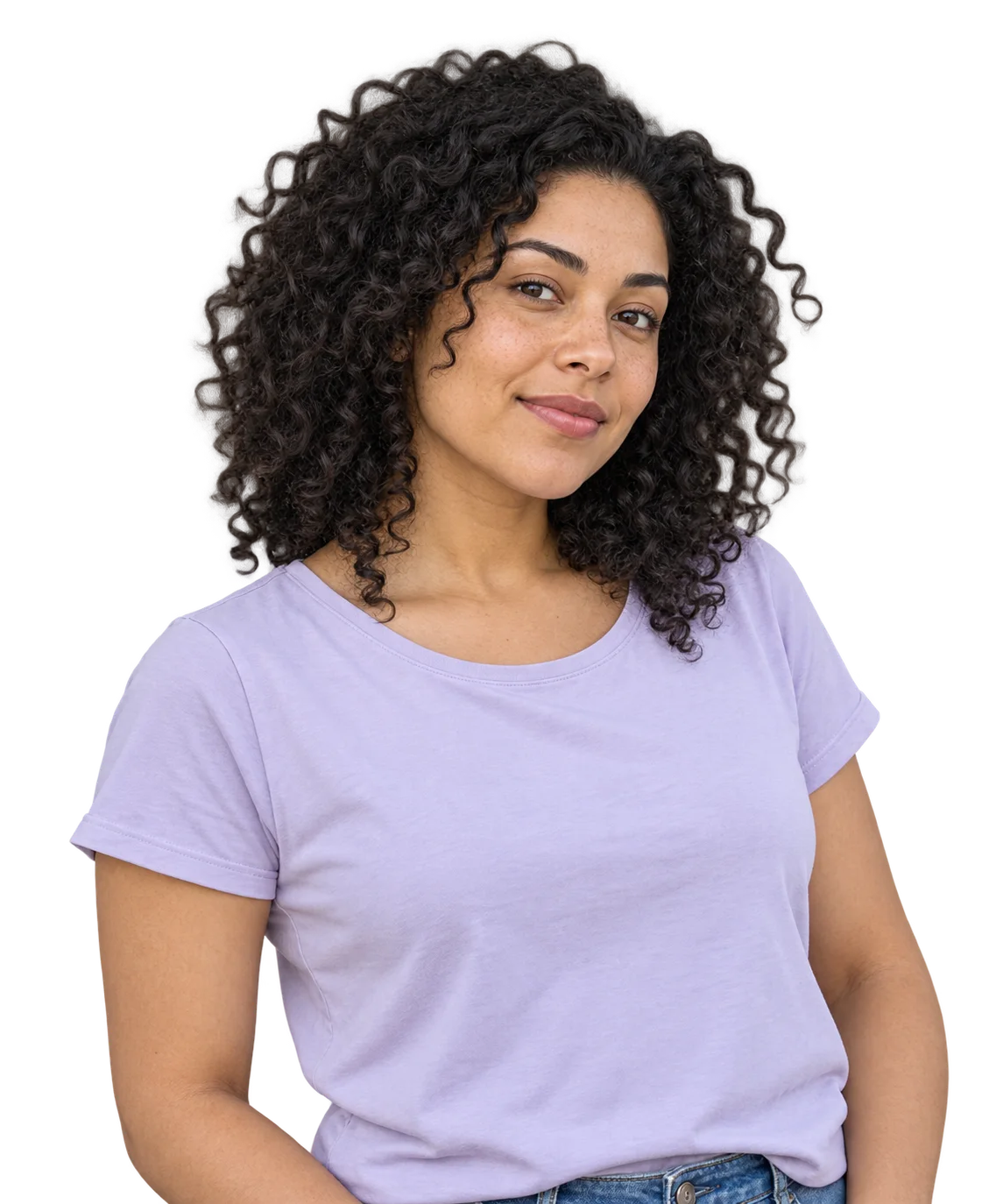
Autism
$7,119

General-population controls
$3,197
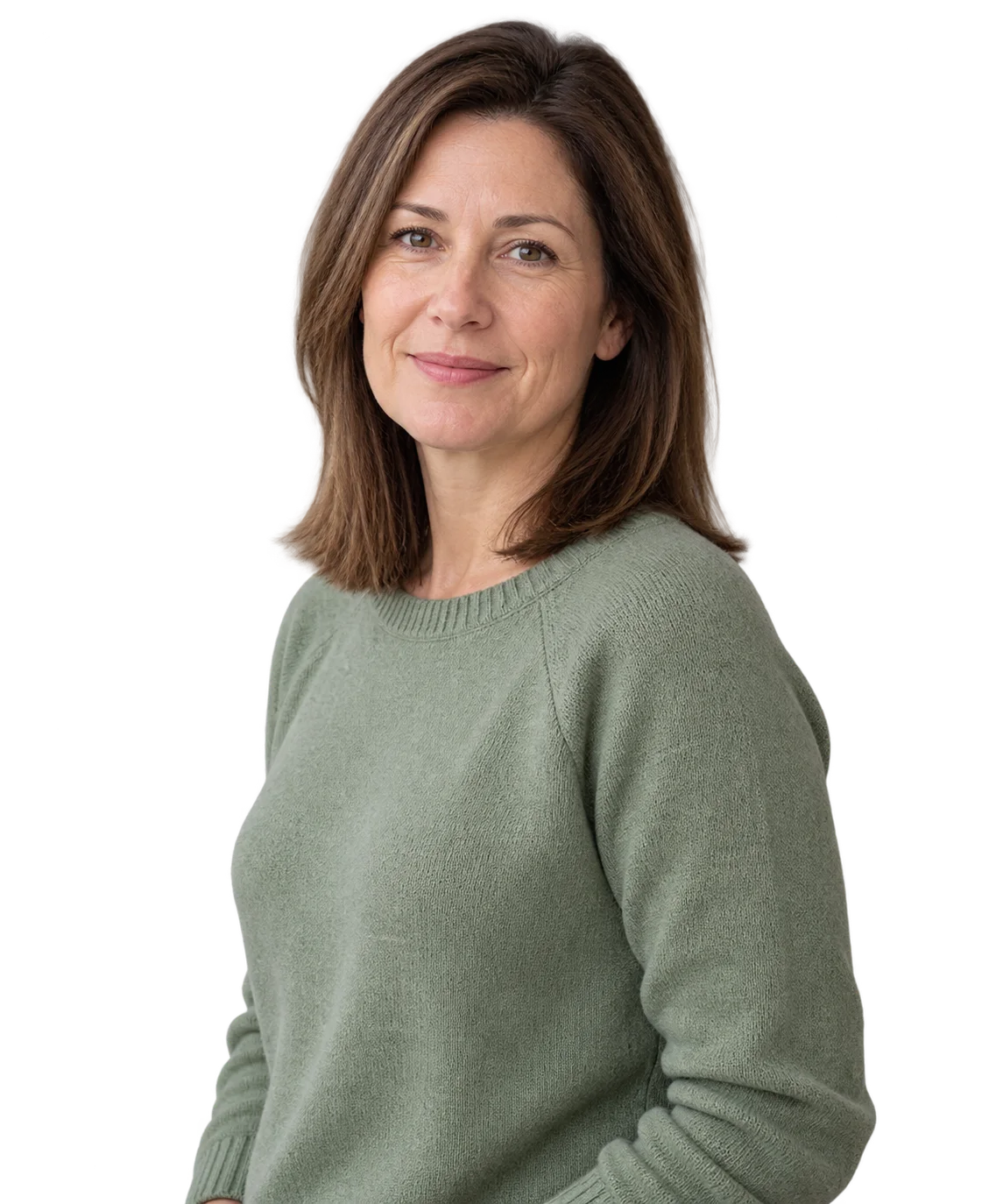
Illustrative portraits, not study participants.
These are healthcare-system costs, not annual therapy bills or out-of-pocket prices. AuDHD was not reported as its own comparison group. The figures are not today’s prices and do not predict one person’s care.
ADHD in prisons
Prison is one place where unmet needs, disadvantage and mental health can intersect.
8.3%
Estimated ADHD prevalence in random-sampling prison studies.
The 2024 review included 11 studies with 3,919 adults overall. The random-sampling estimate had a wide confidence interval: 3.8%–12.8%. Removing one outlying study roughly halved it.
Why you may have seen “one in four.”
A broader 2018 review reported 26.2%. The newer review questioned how selected samples can inflate estimates. The two figures come from different study choices and should not be presented as a trend.
Neither finding means ADHD causes crime or that a neurodivergent person is dangerous. They make the case for careful assessment, accessible communication and continuity of care, including after release.
Clear written information, time to process questions and attention to learning or communication needs can change how a person is understood.
Neurodivergent people you may know
Neurodivergence is more than a list of difficulties. These people changed science, art, sport and how we understand minds. Their differences were part of how they did it, and support mattered too.
People who changed the field
They changed how the world understands neurodivergent minds, often by telling their own story first.
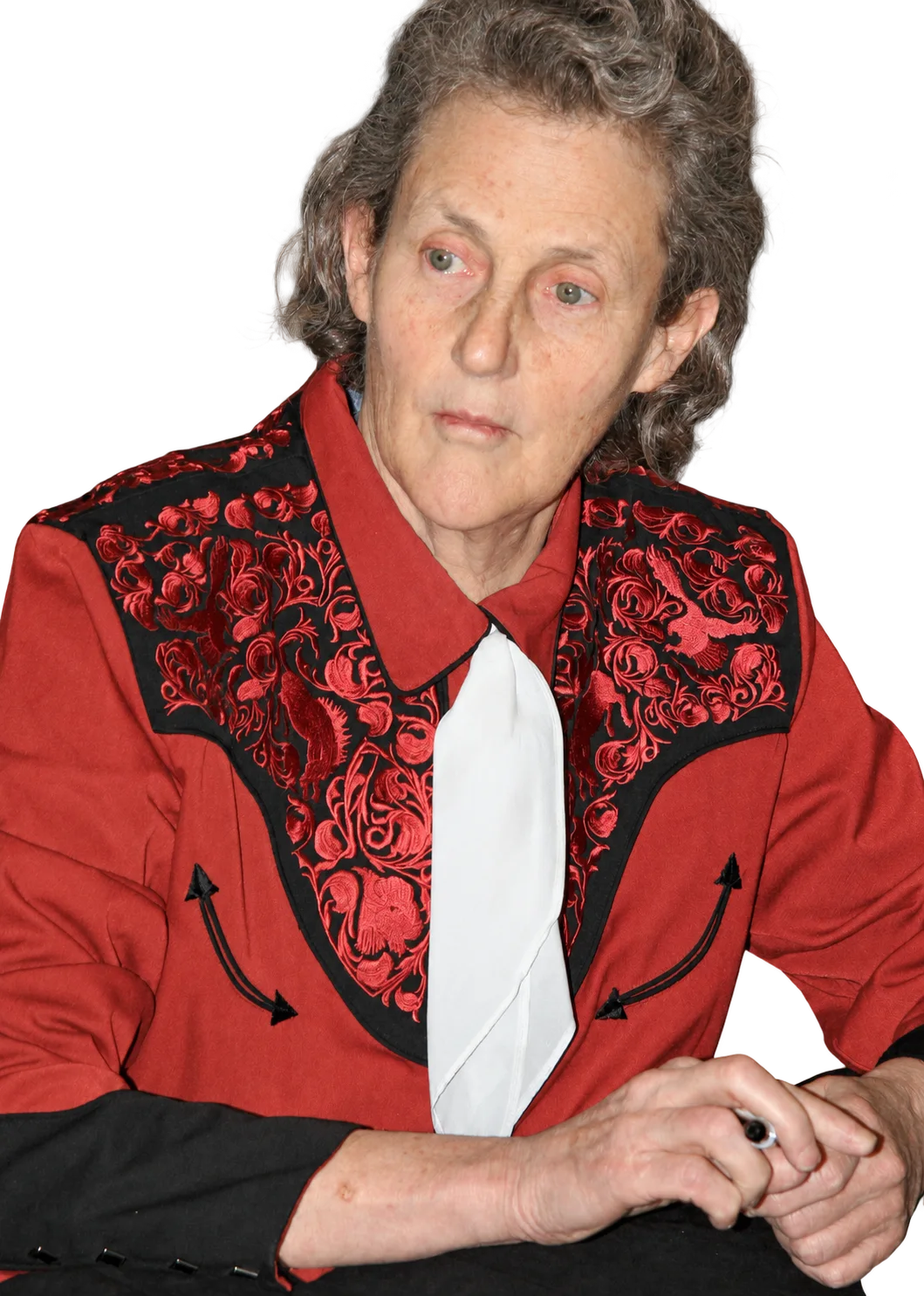
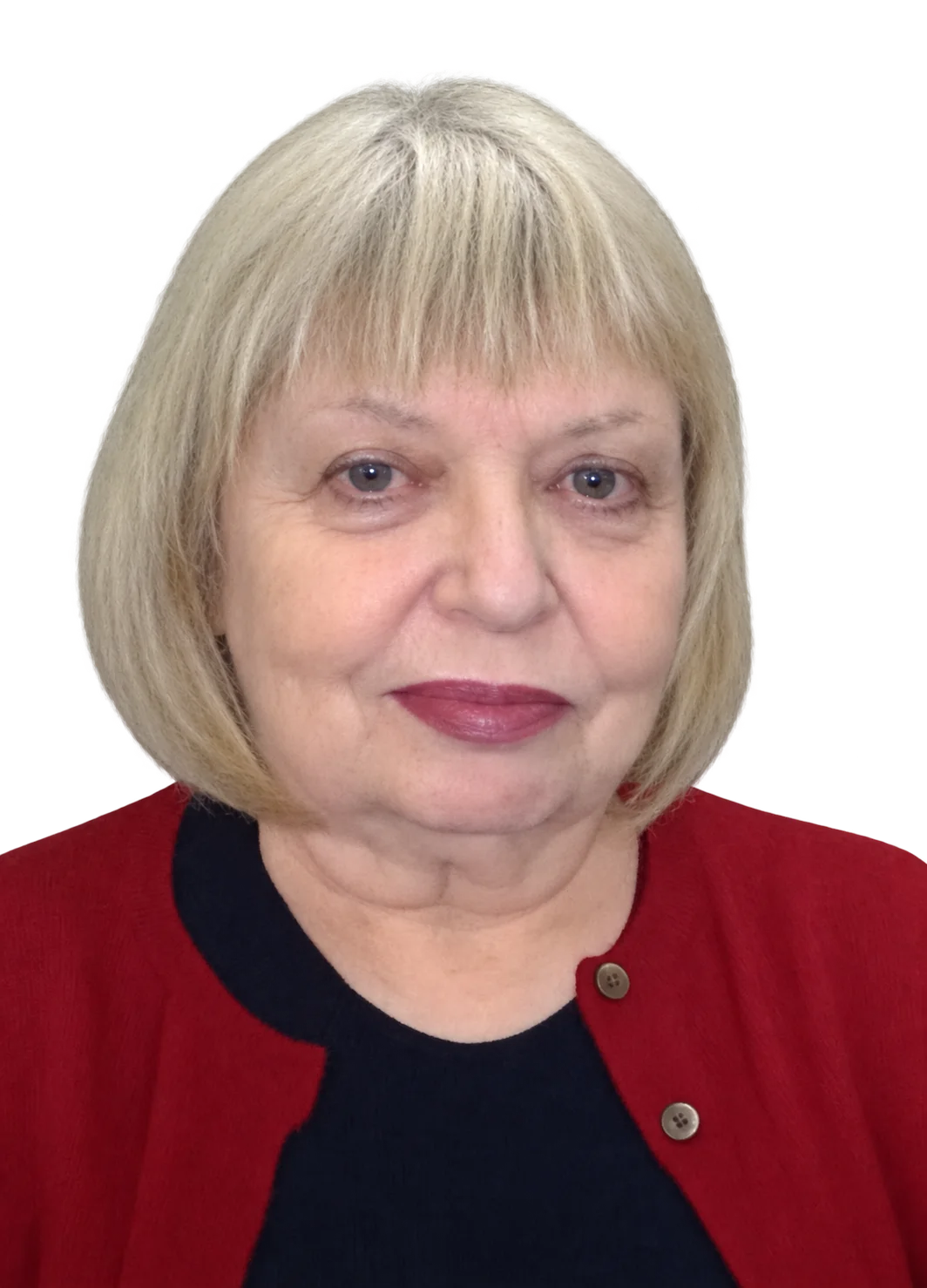
Temple Grandin
Autism · animal science and advocacy
Making room for visual thinkers in science and everyday life.
Why herGrandin shows what happens when a different way of thinking is given room to work.
Doctors in the 1950s suggested she be placed in an institution. Her mother refused. Grandin went on to become a professor of animal science at Colorado State University.
She says she thinks in pictures. That let her see cattle facilities the way the animals do, and her humane handling designs are now used across North America.
Today she speaks about visual thinkers and why schools should make room for minds like hers.

Minds from history
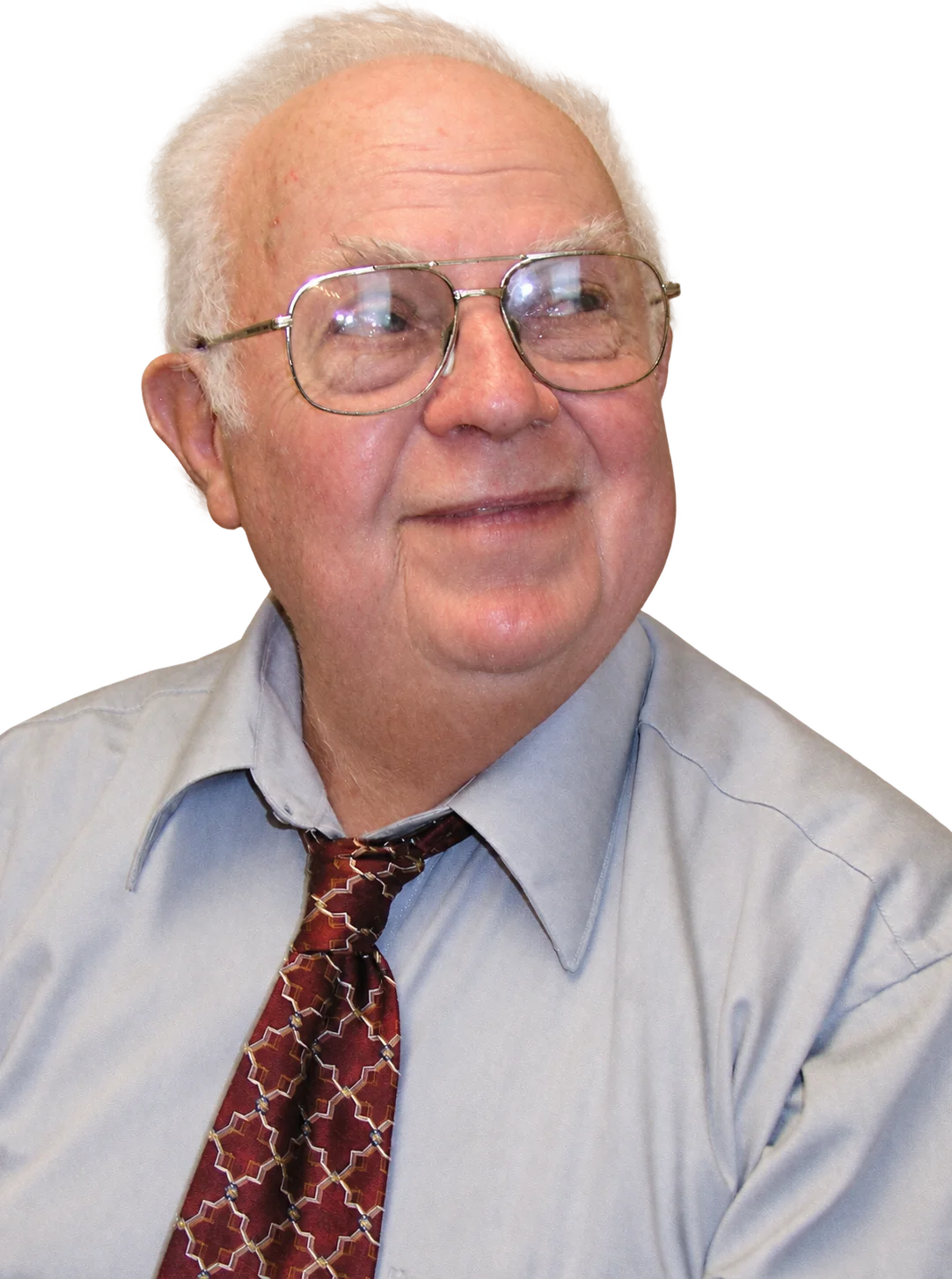
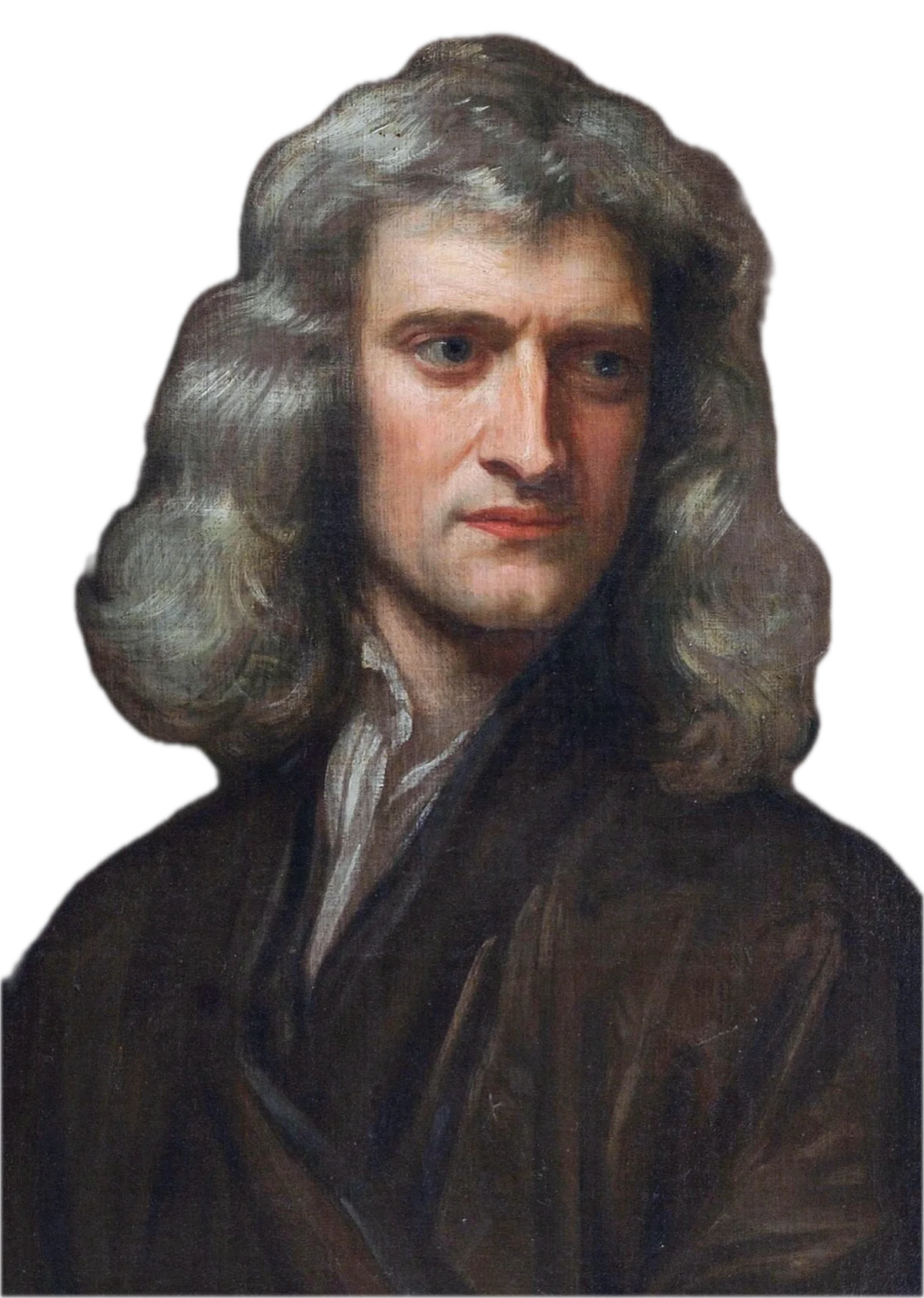
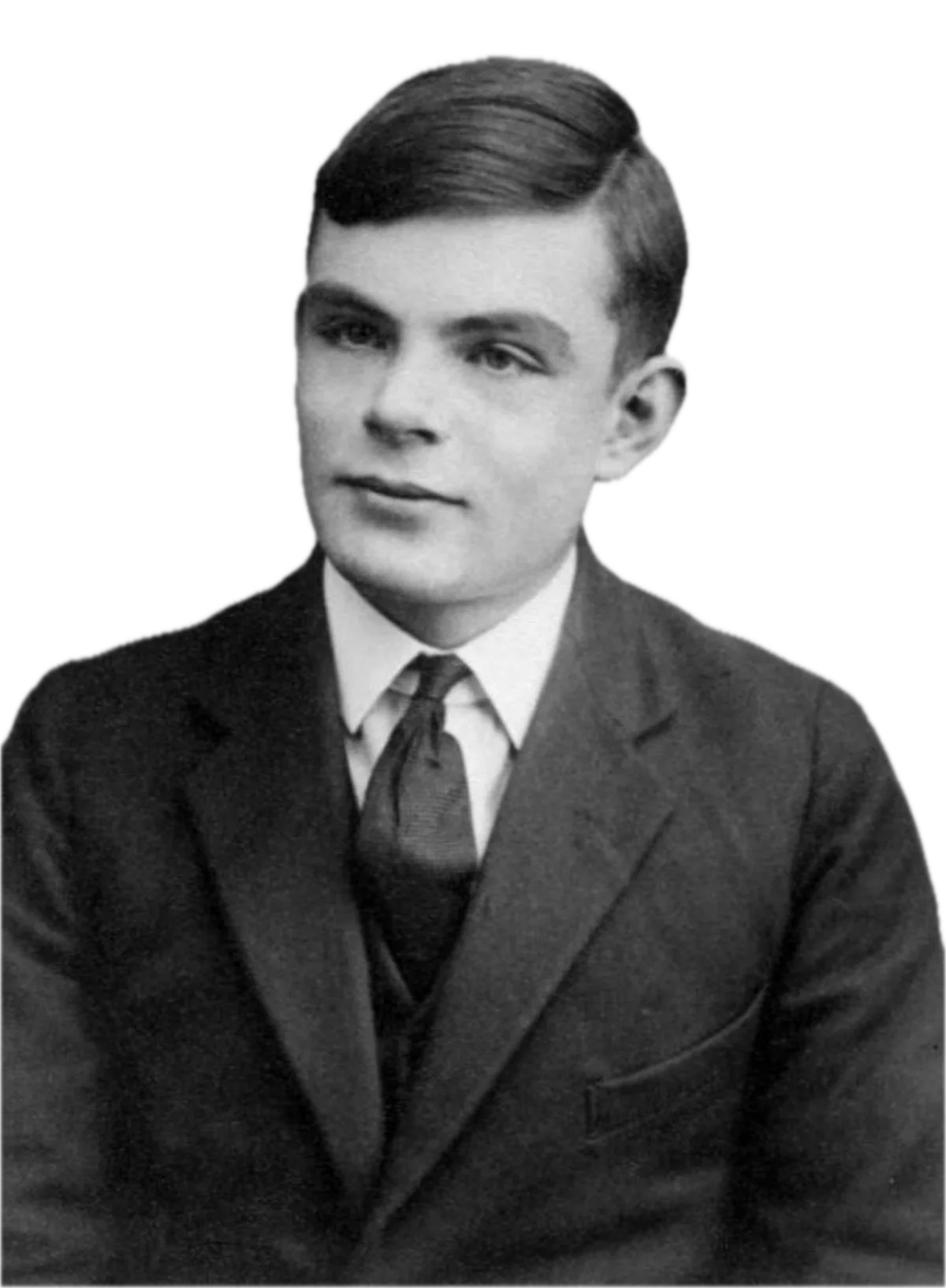
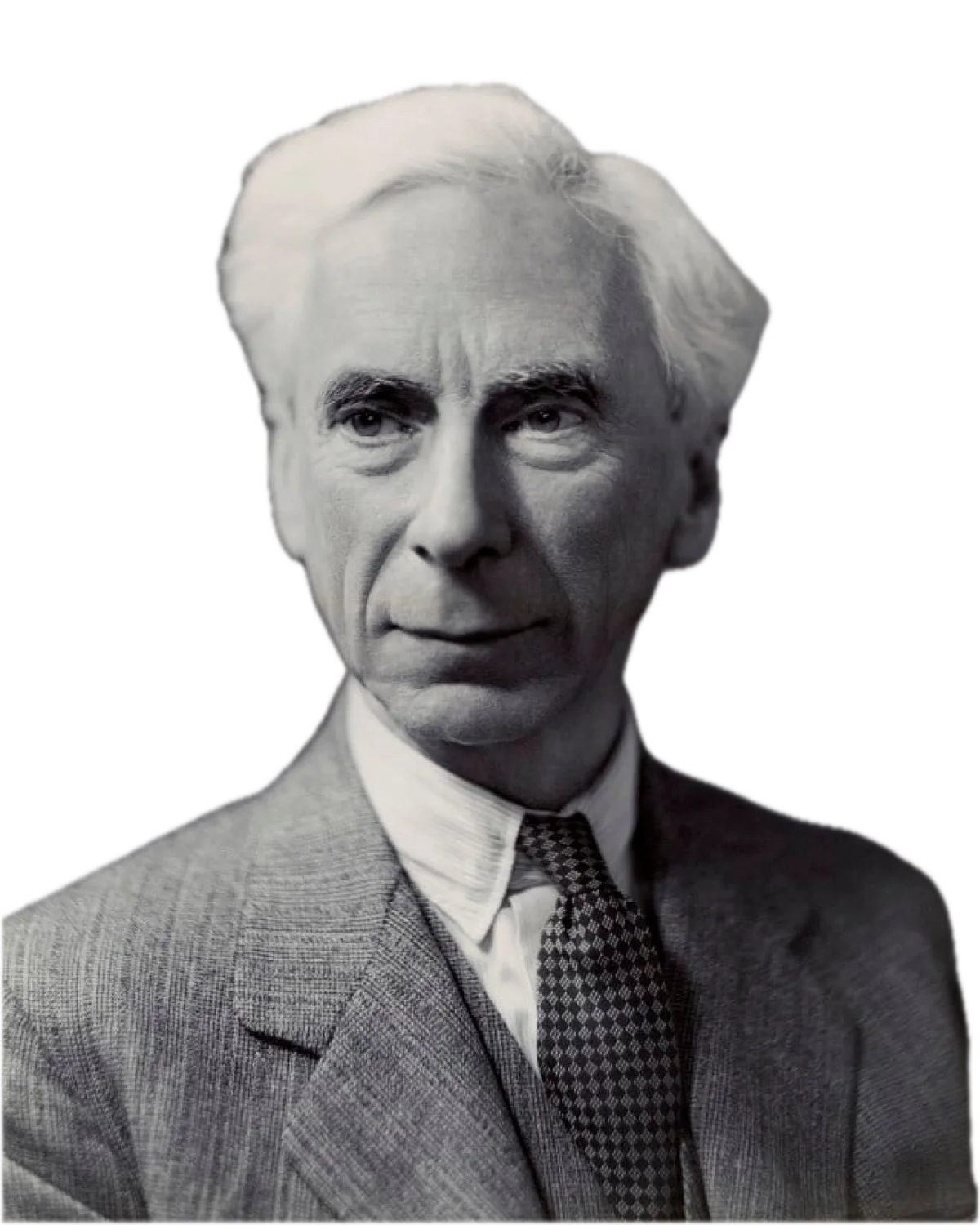
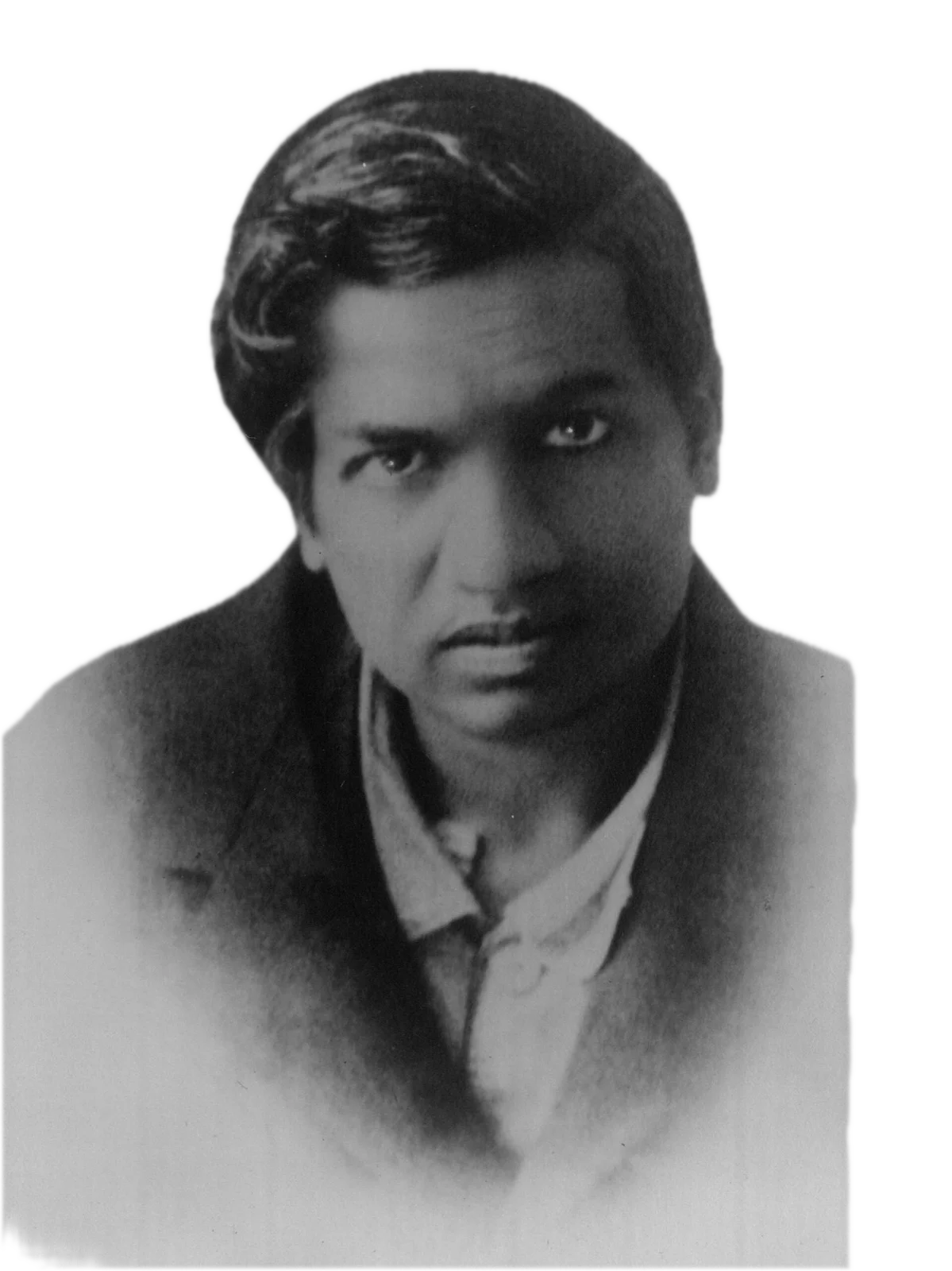
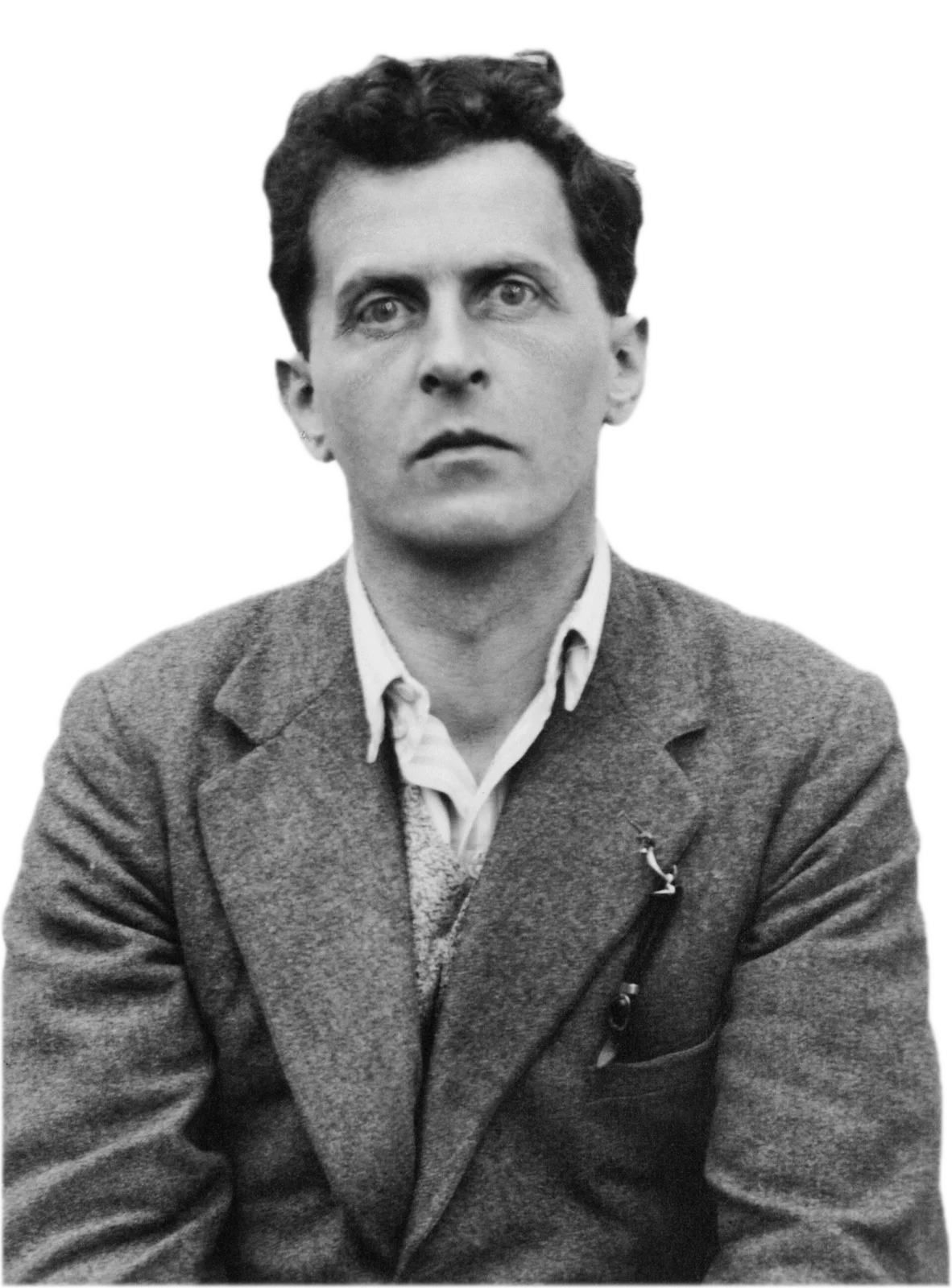
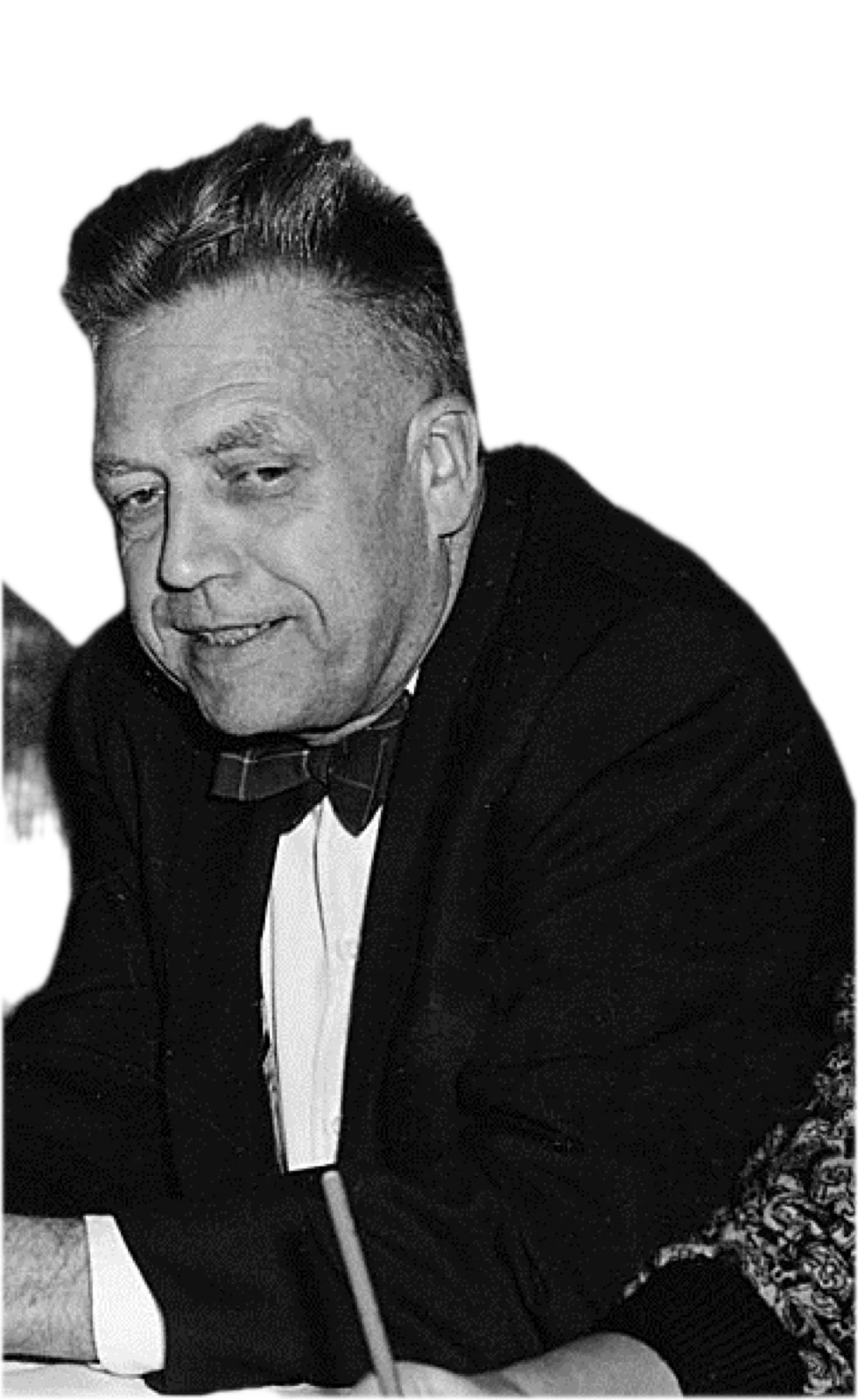
No one can diagnose a person who has died. Ioan James, an Oxford mathematician, studied the records of these six and suggested each may have been autistic. Treat it as a possibility, not a fact.
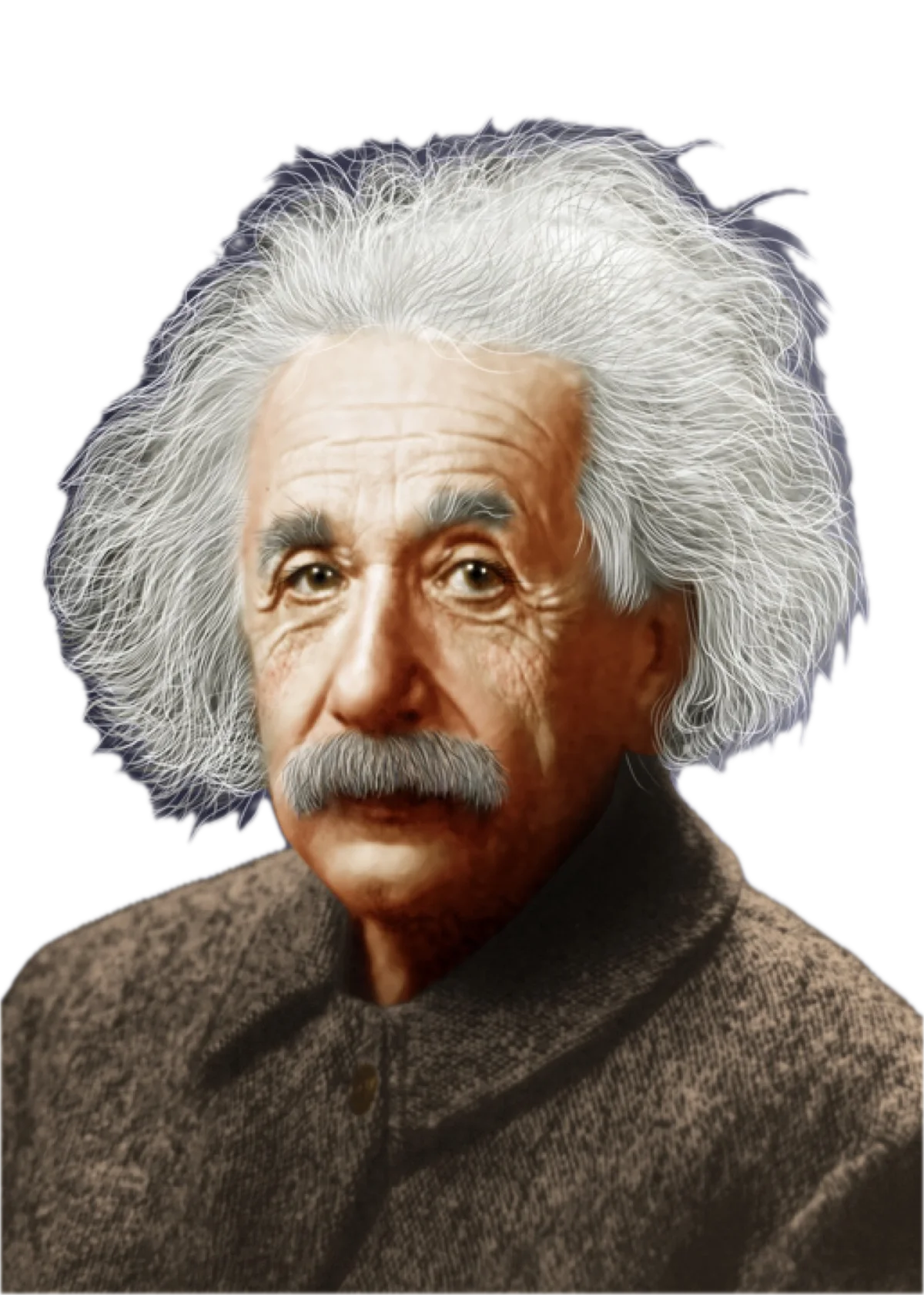
Albert Einstein
Possibly autistic · physics · 1879–1955
Changing how we understand space, time and light.
Why himEinstein is the clearest case of a mind that worked in its own way, and the record is still a possibility, not a diagnosis.
He wrote his four breakthrough papers of 1905 while working as a clerk in a patent office. One of them introduced special relativity.
Einstein said words played almost no part in how he thought. He worked in images first, like picturing himself riding beside a beam of light.
Ioan James studied accounts of his childhood and working life and suggested he may have been autistic.
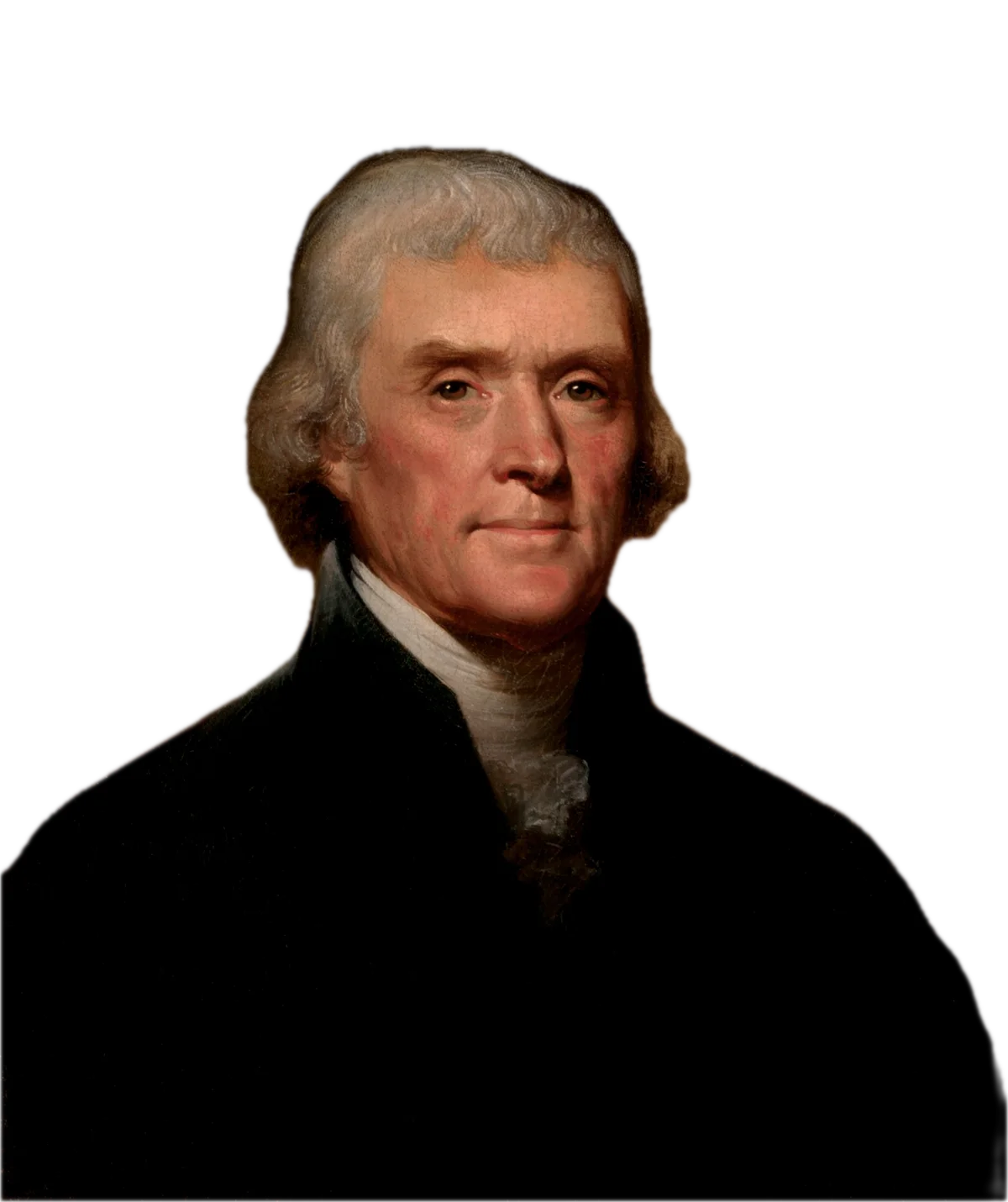
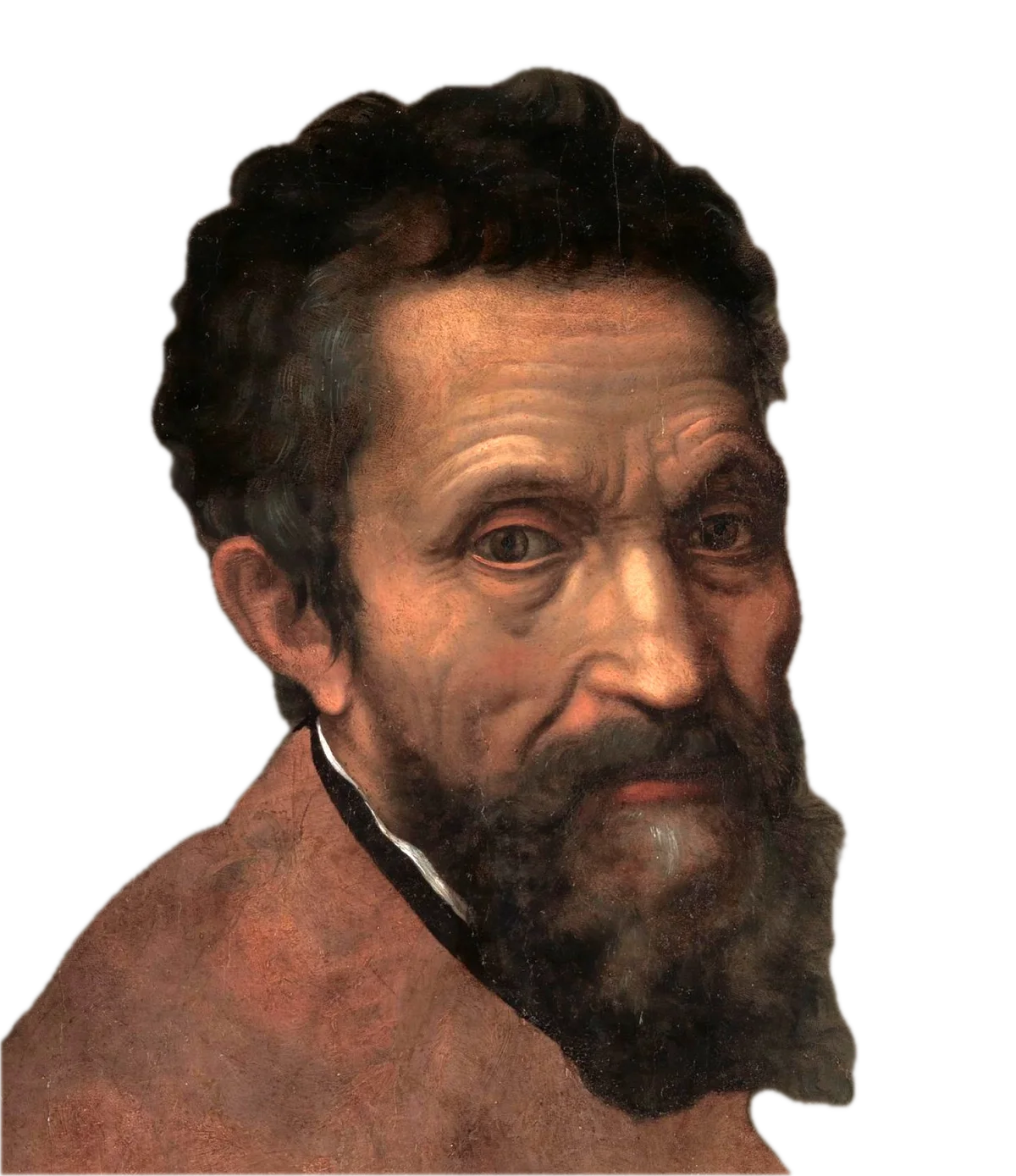
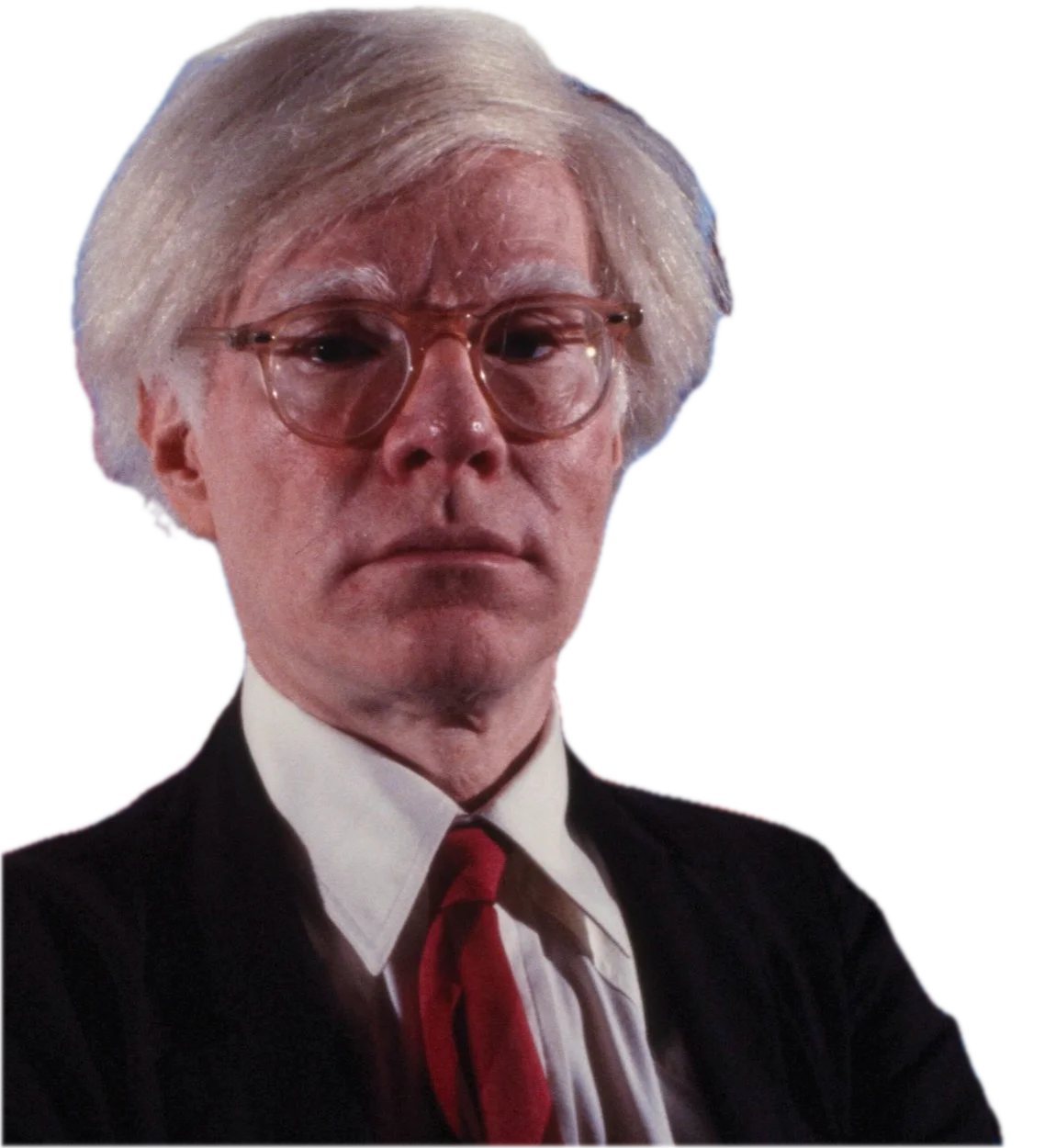
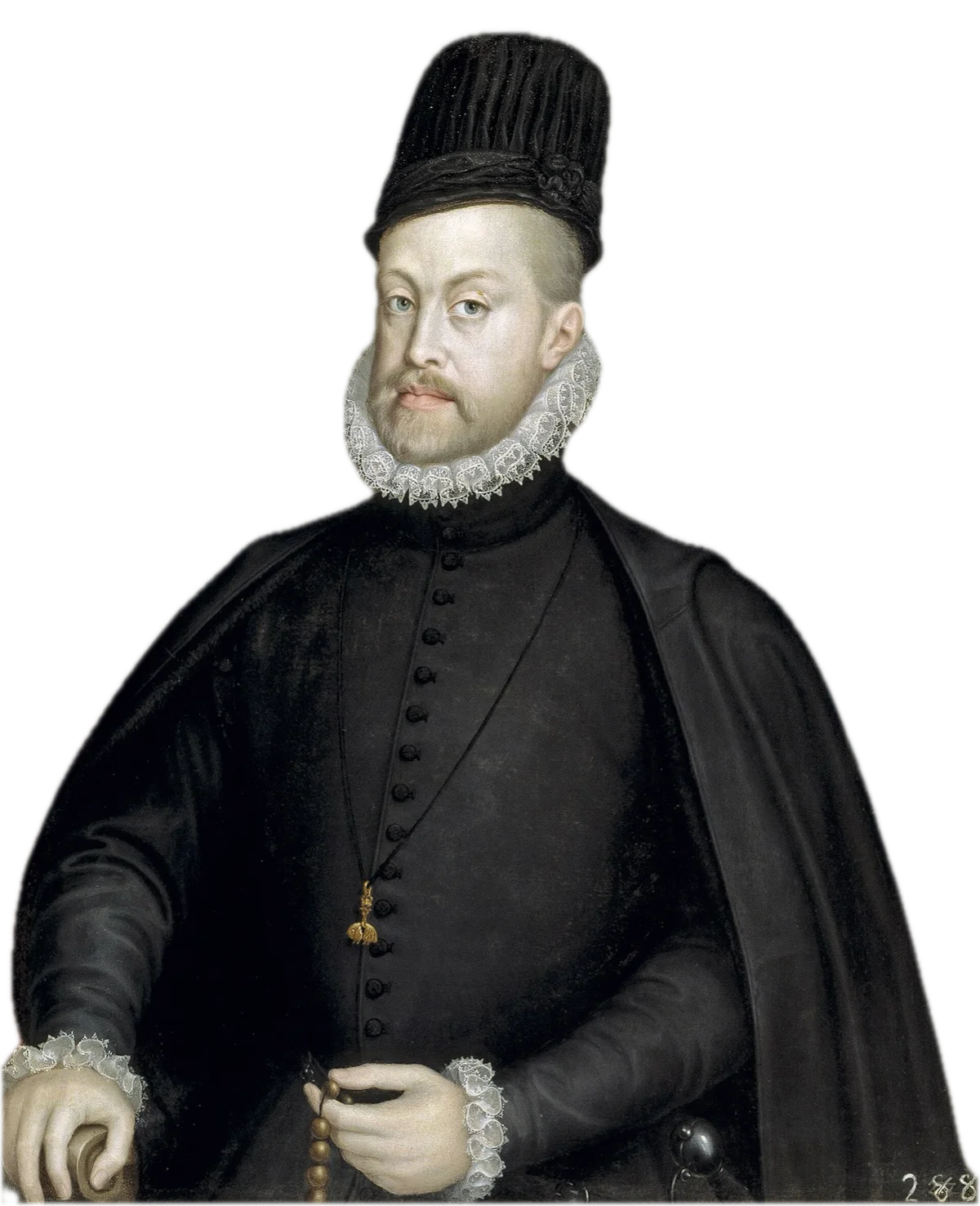
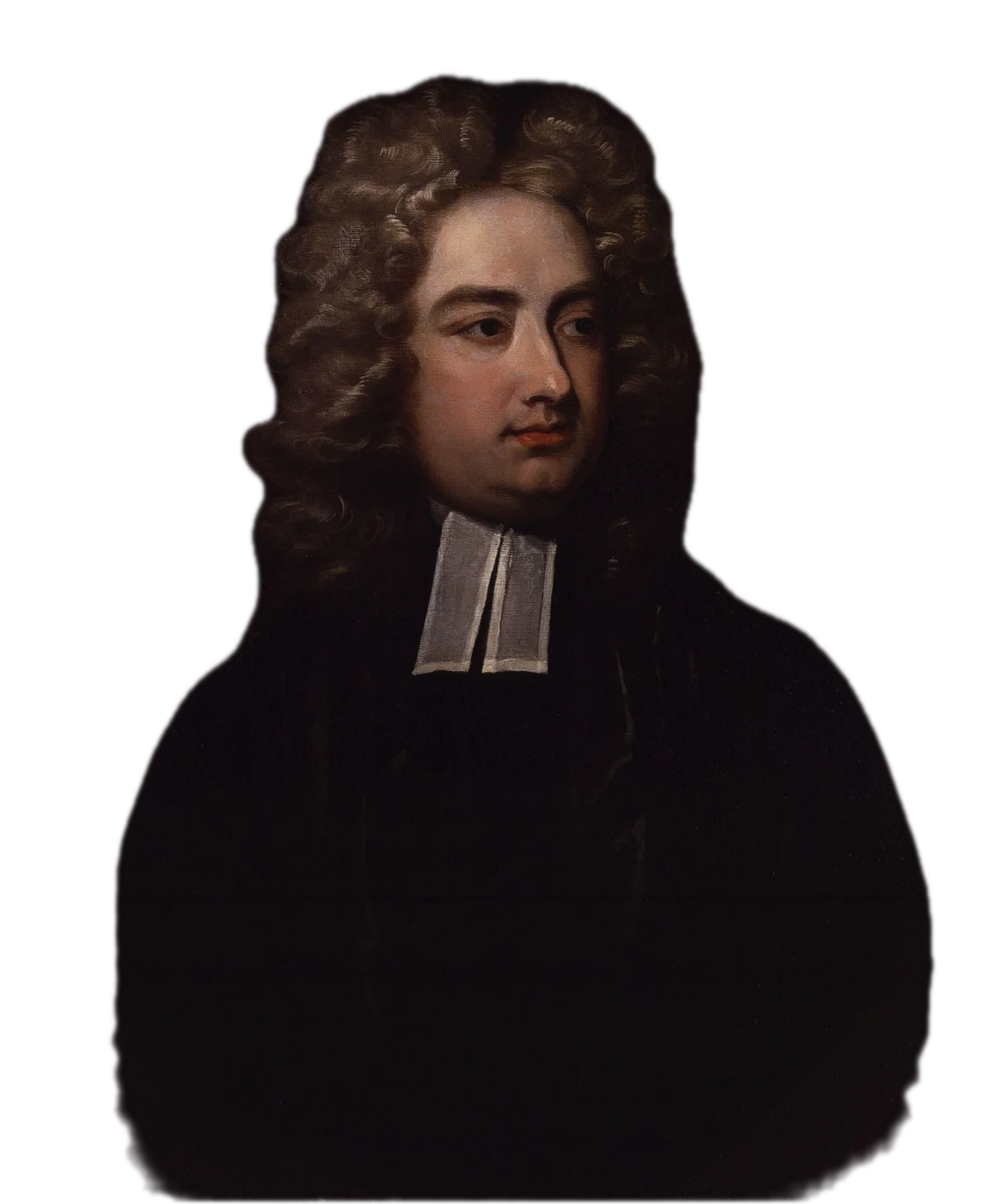
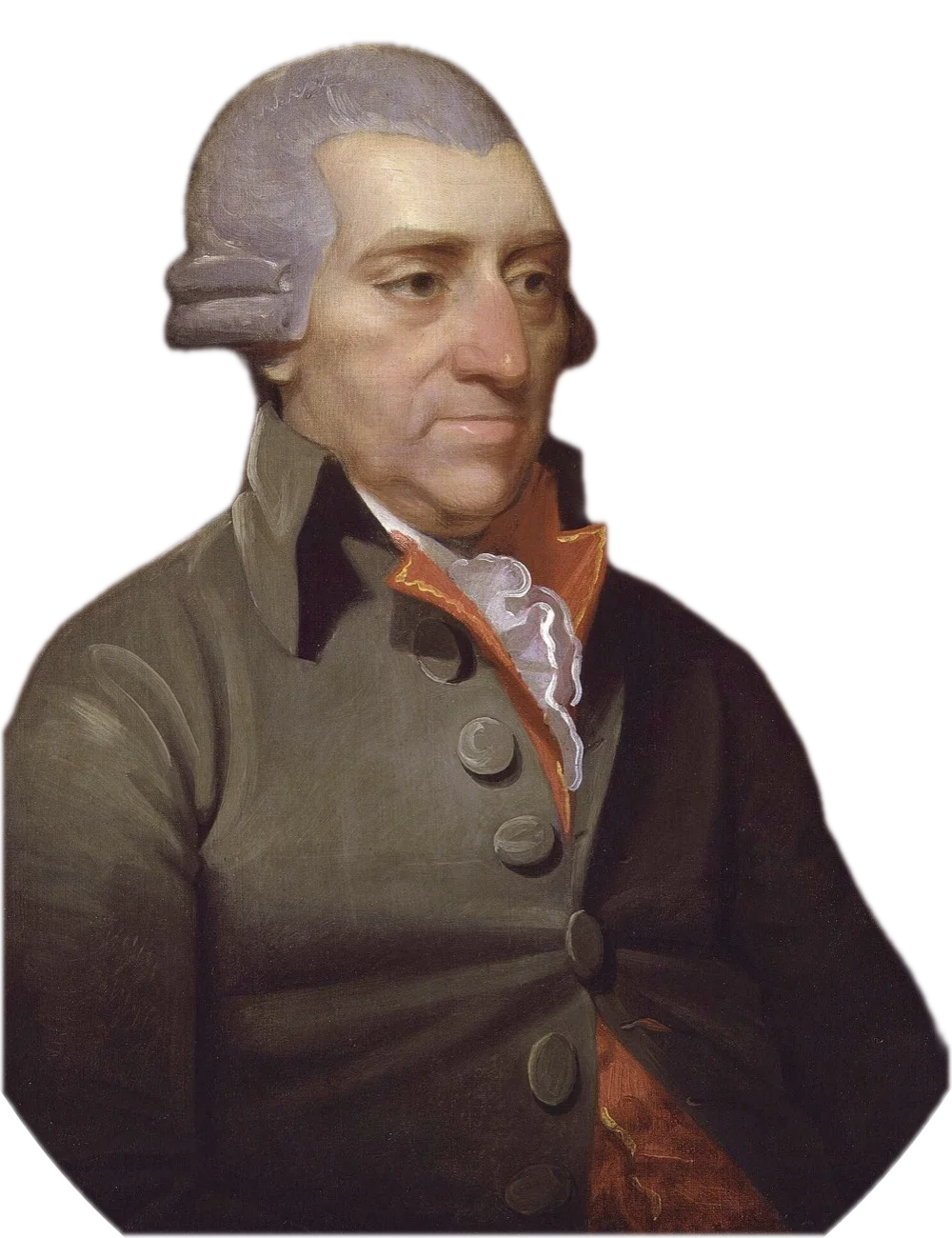
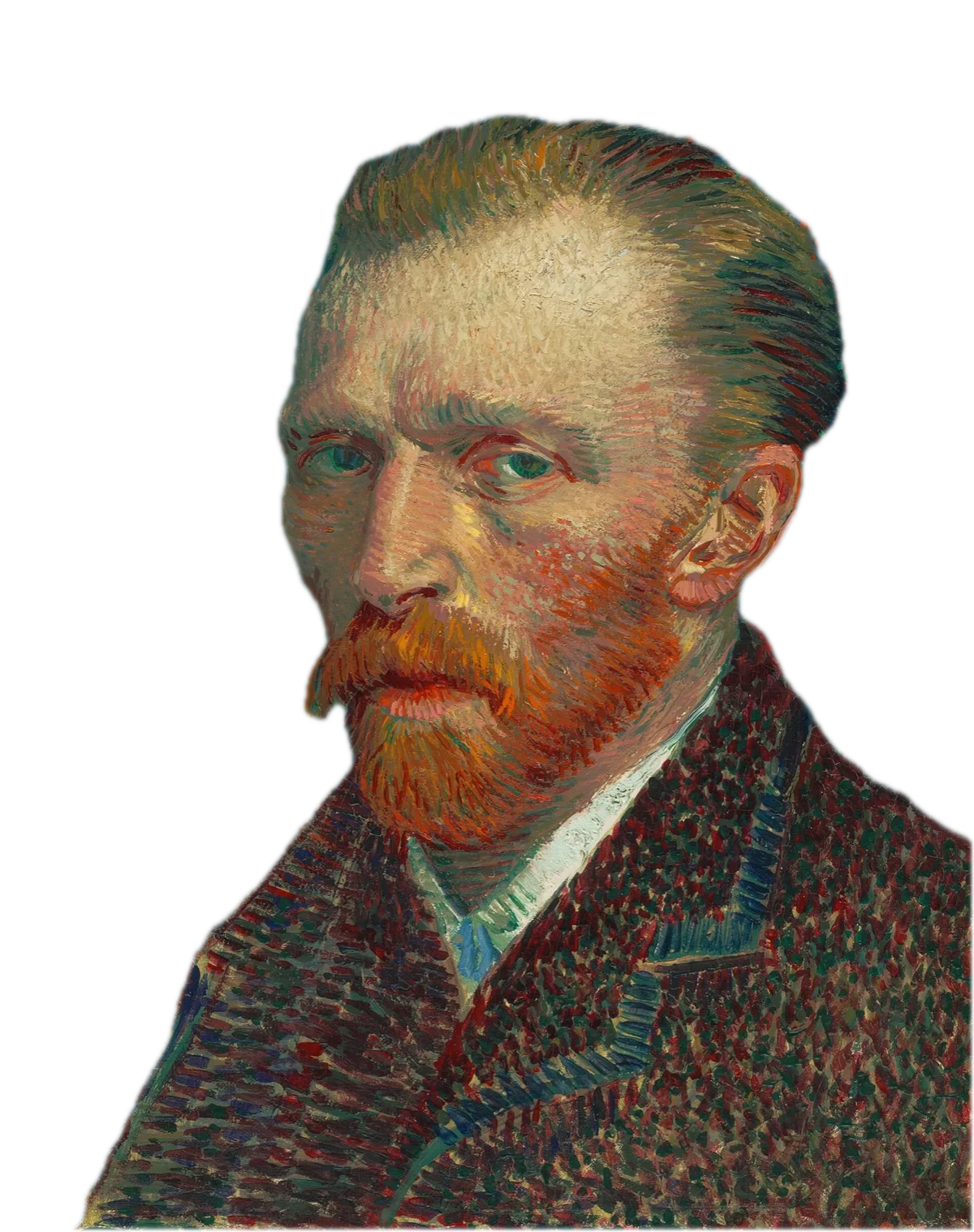
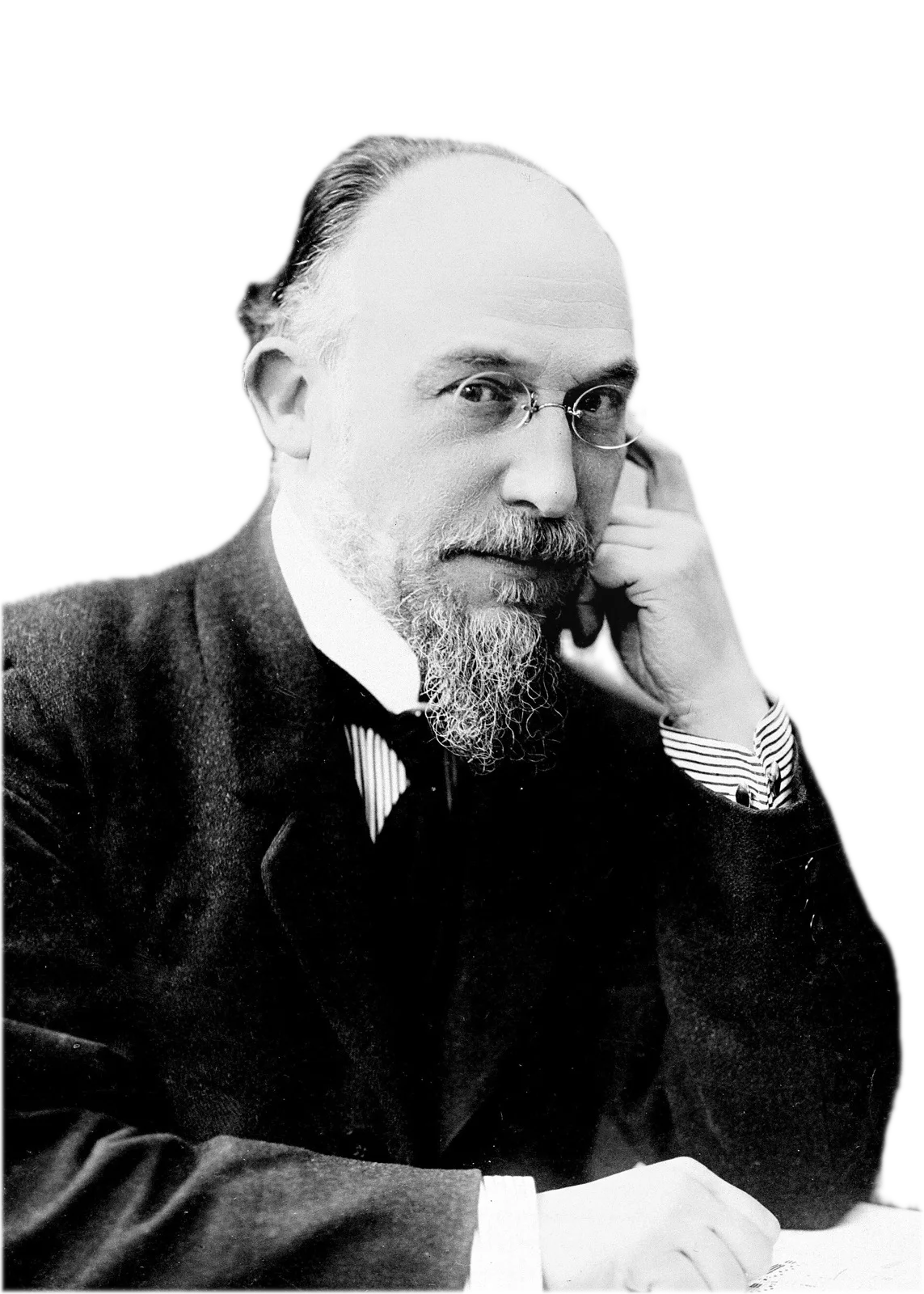
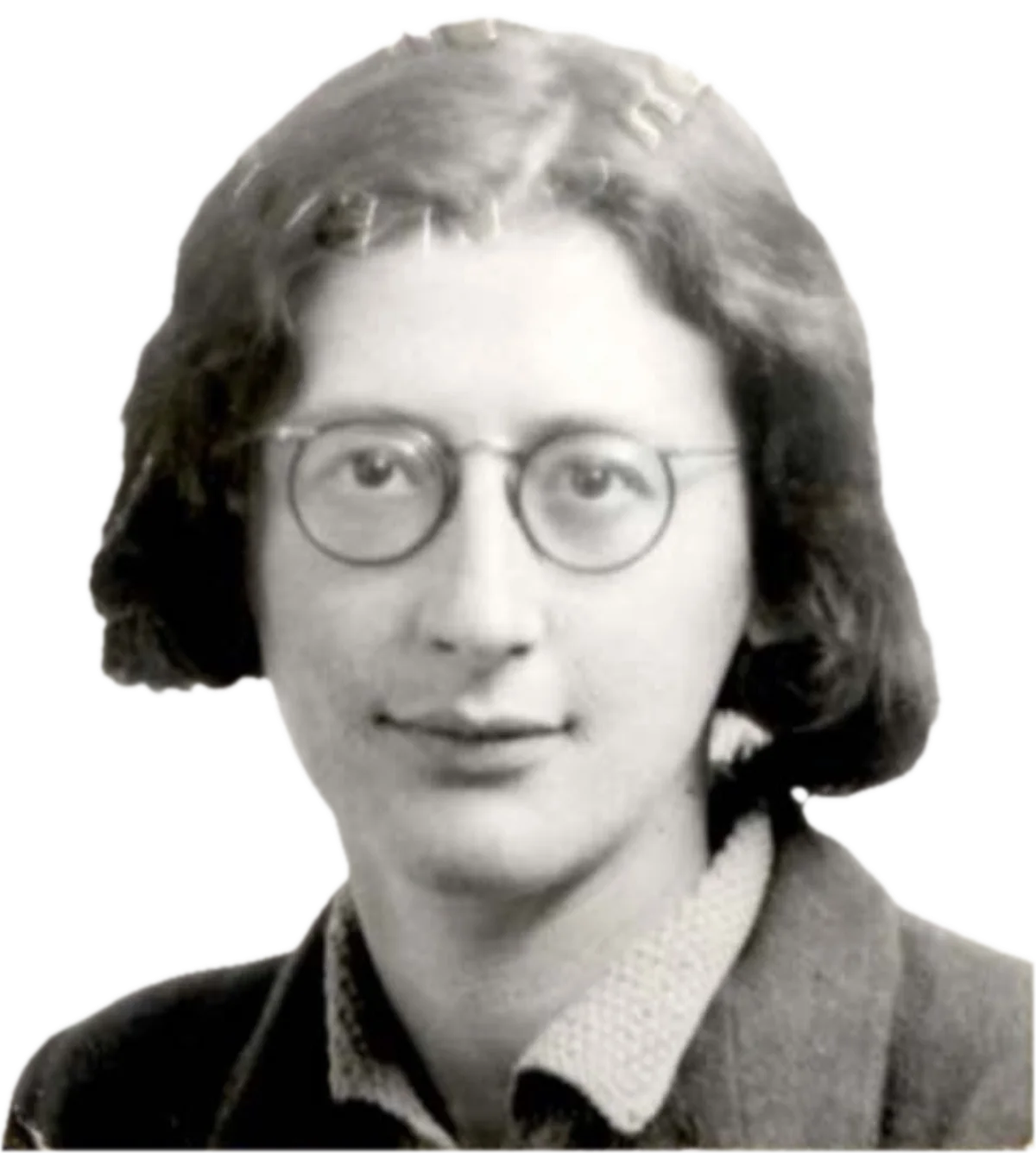
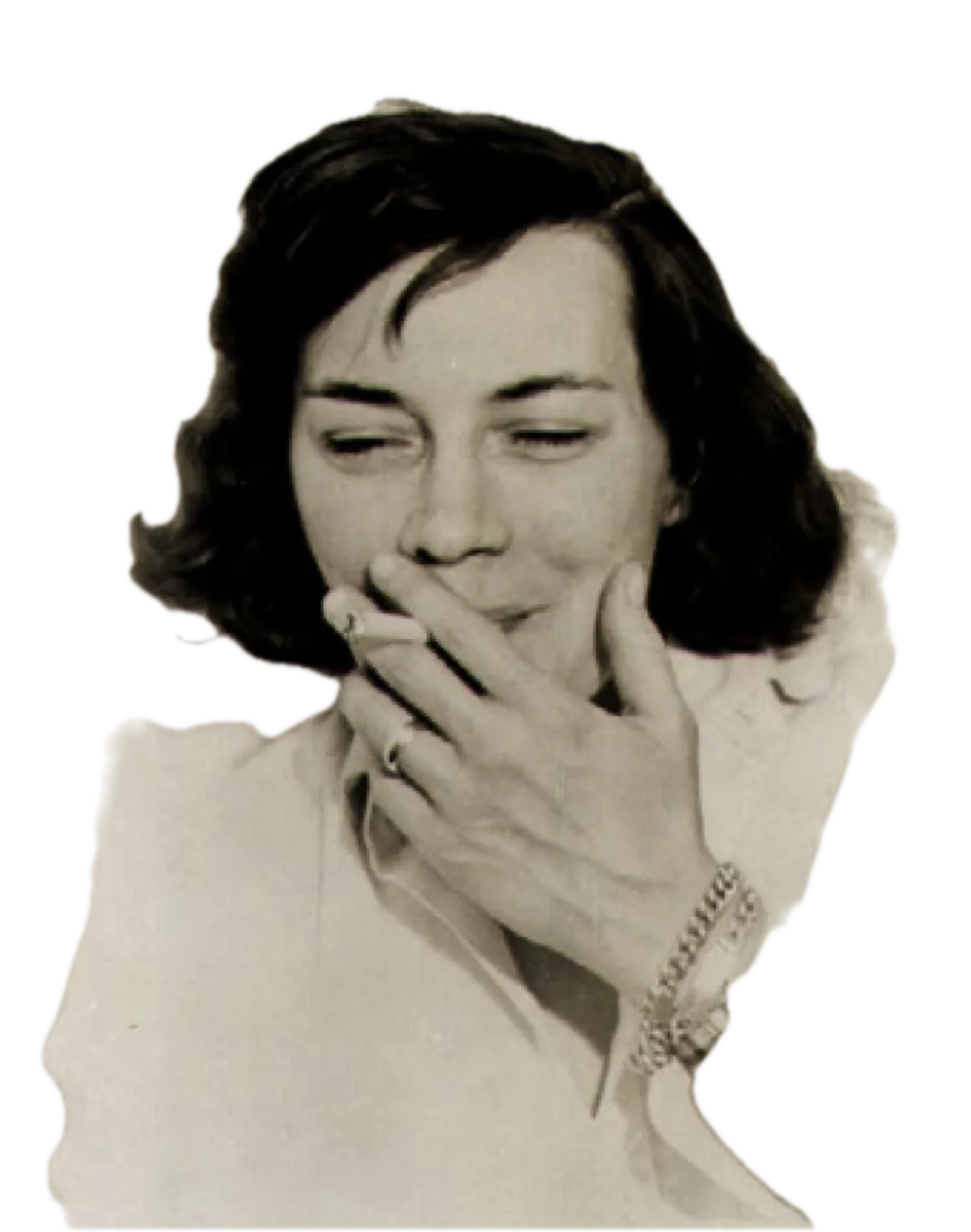
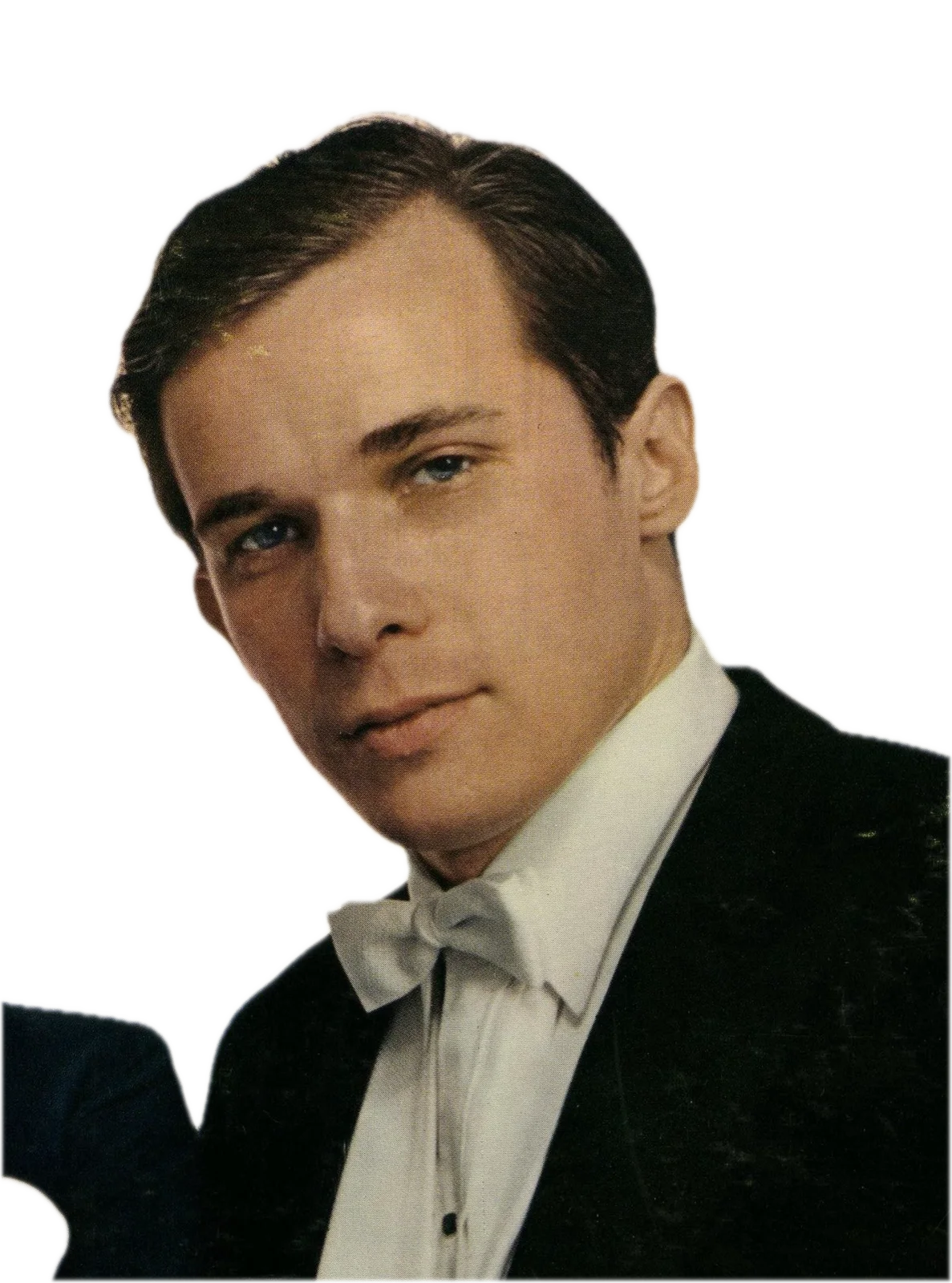
Sport, film, media and music
People who have spoken about their own experiences. Each story belongs to that person.
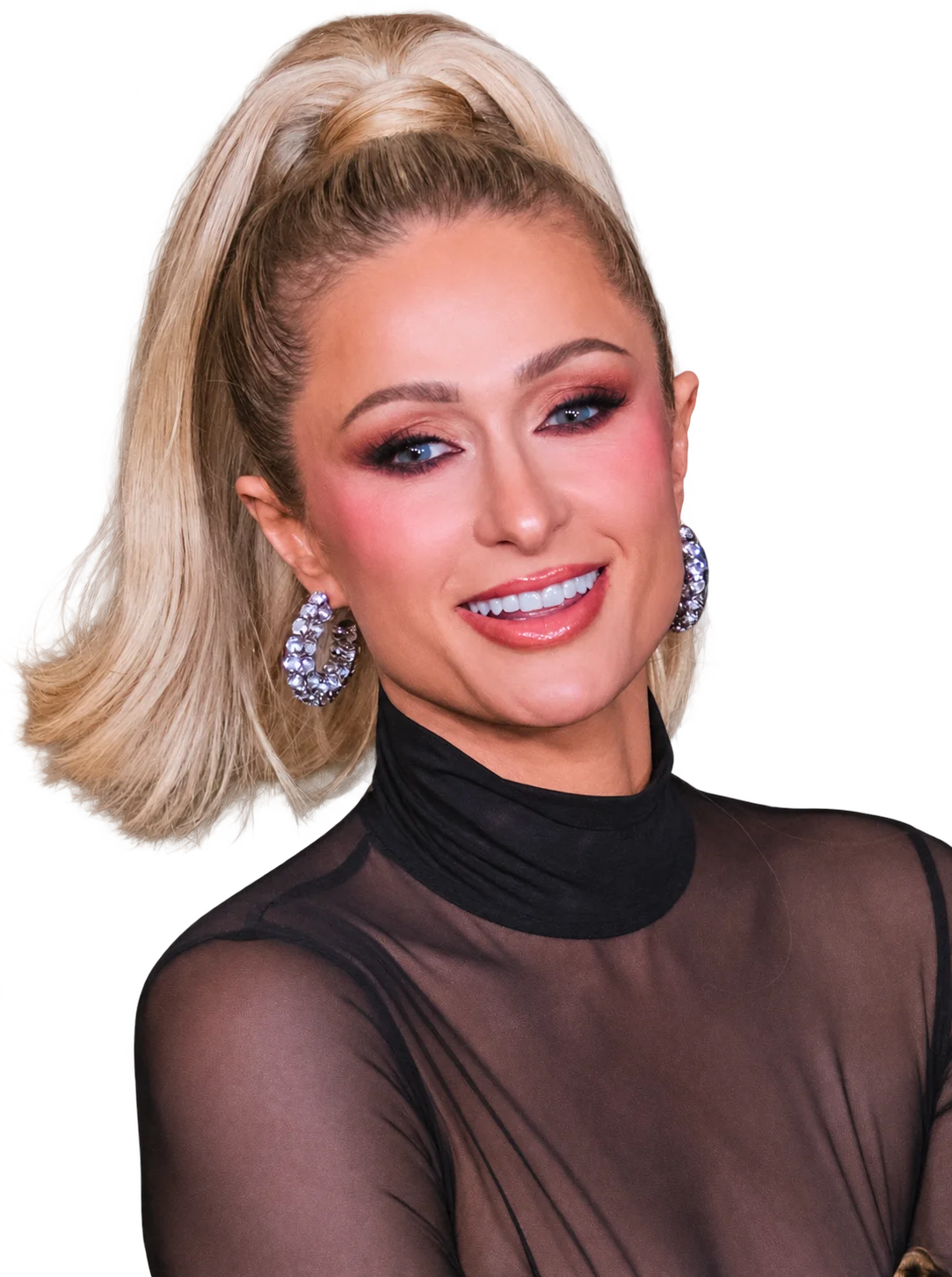
Paris Hilton
ADHD · media, music and advocacy
Sharing the creativity, difficult days and support behind her public life.
Why herHilton is one of the most visible people speaking openly about ADHD right now.
She describes feeling misunderstood for years before diagnosis. In a 2024 essay she called ADHD her superpower, and she credits it for her creativity and drive in business.
She is just as clear about the hard days, and the structure and team that help her.
Today she also campaigns to protect young people in residential treatment programs, drawing on her own experience.

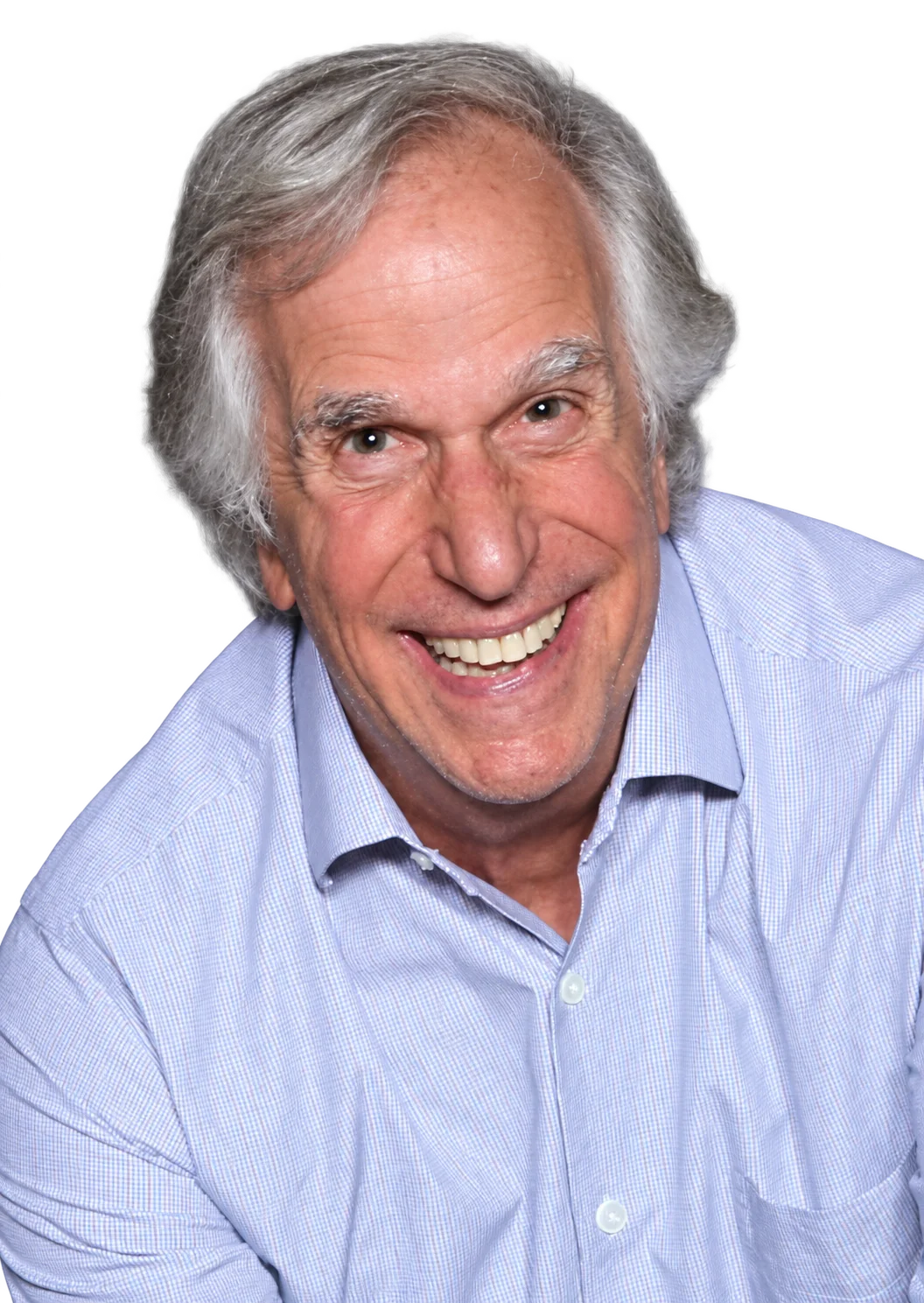
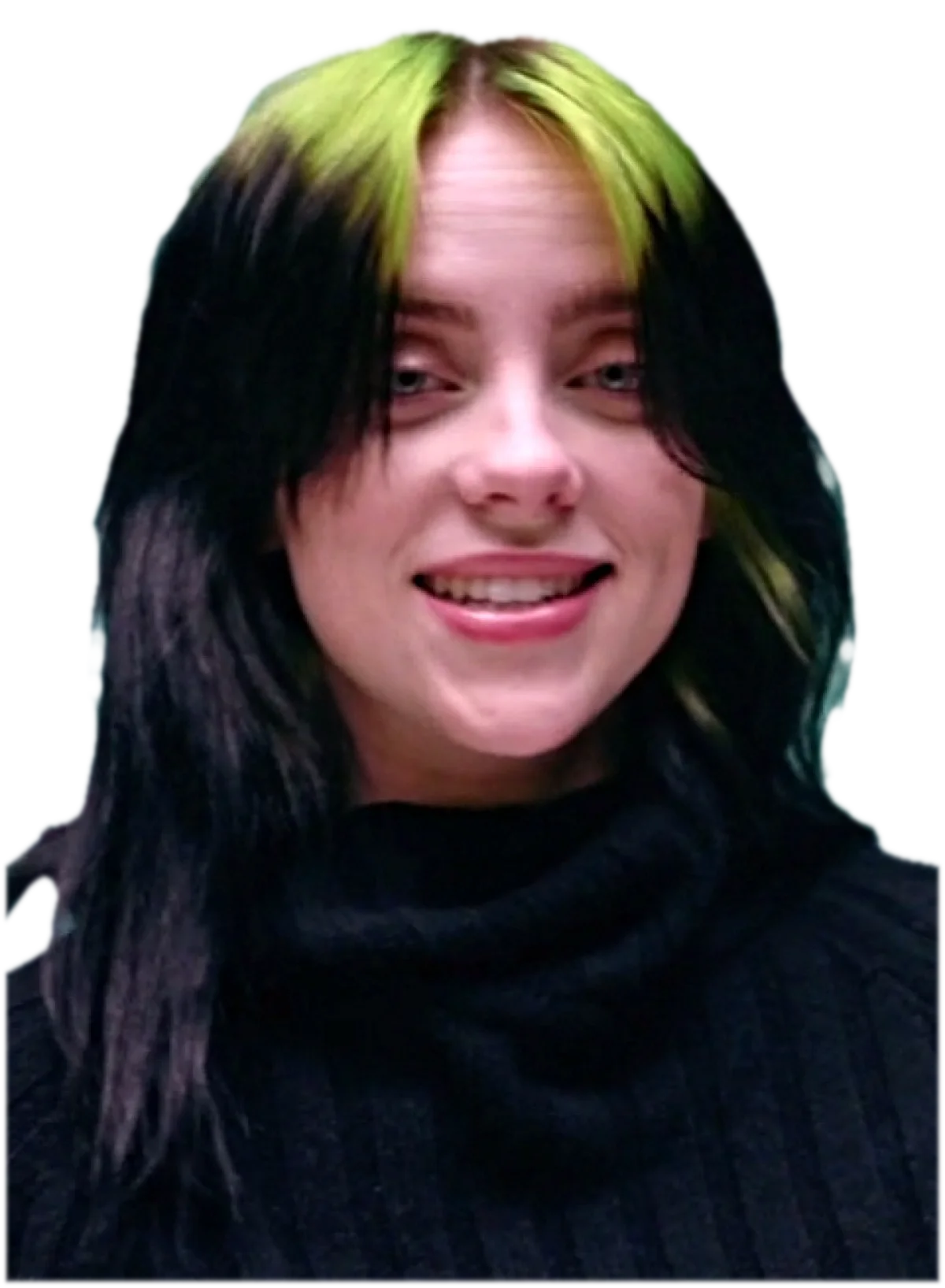
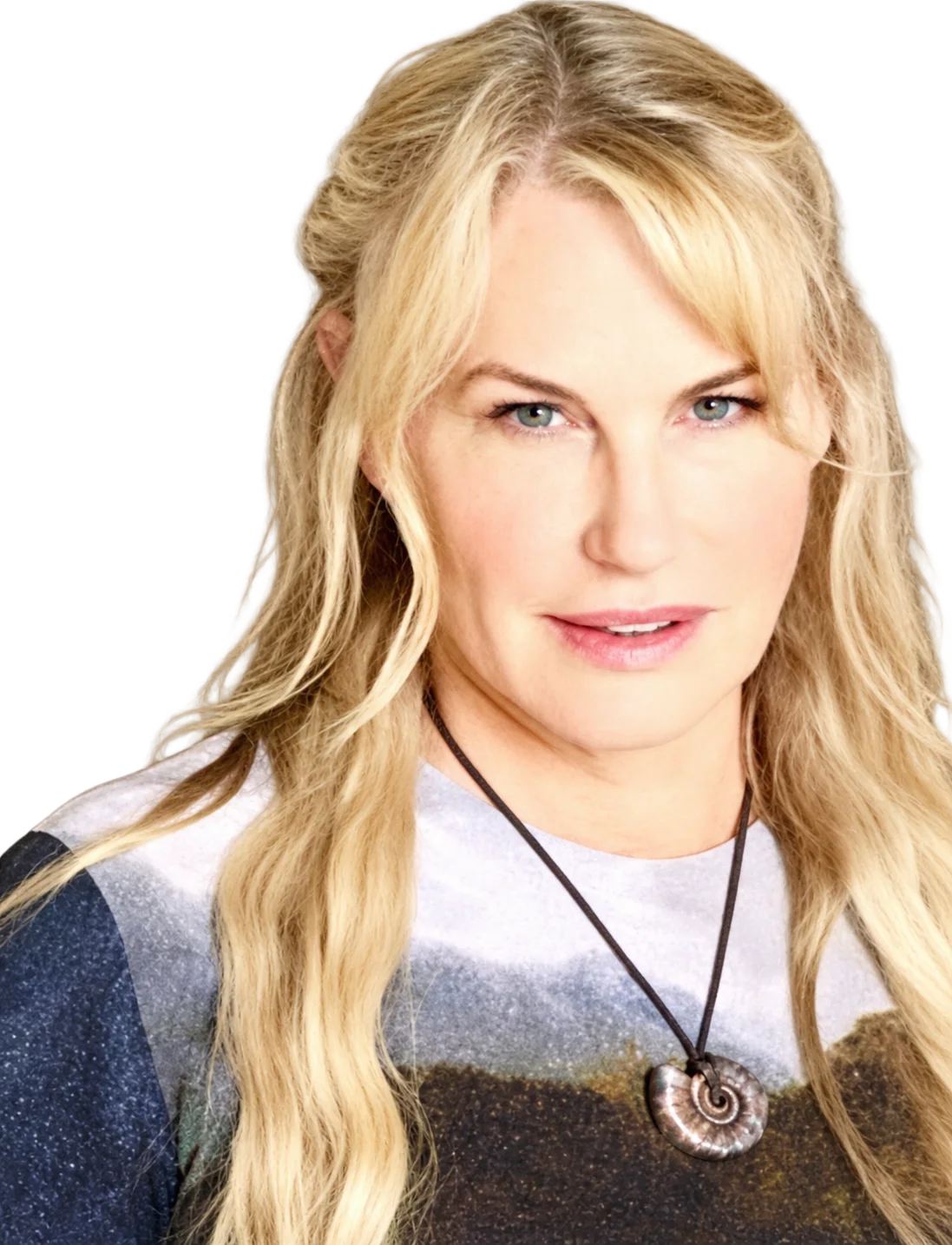
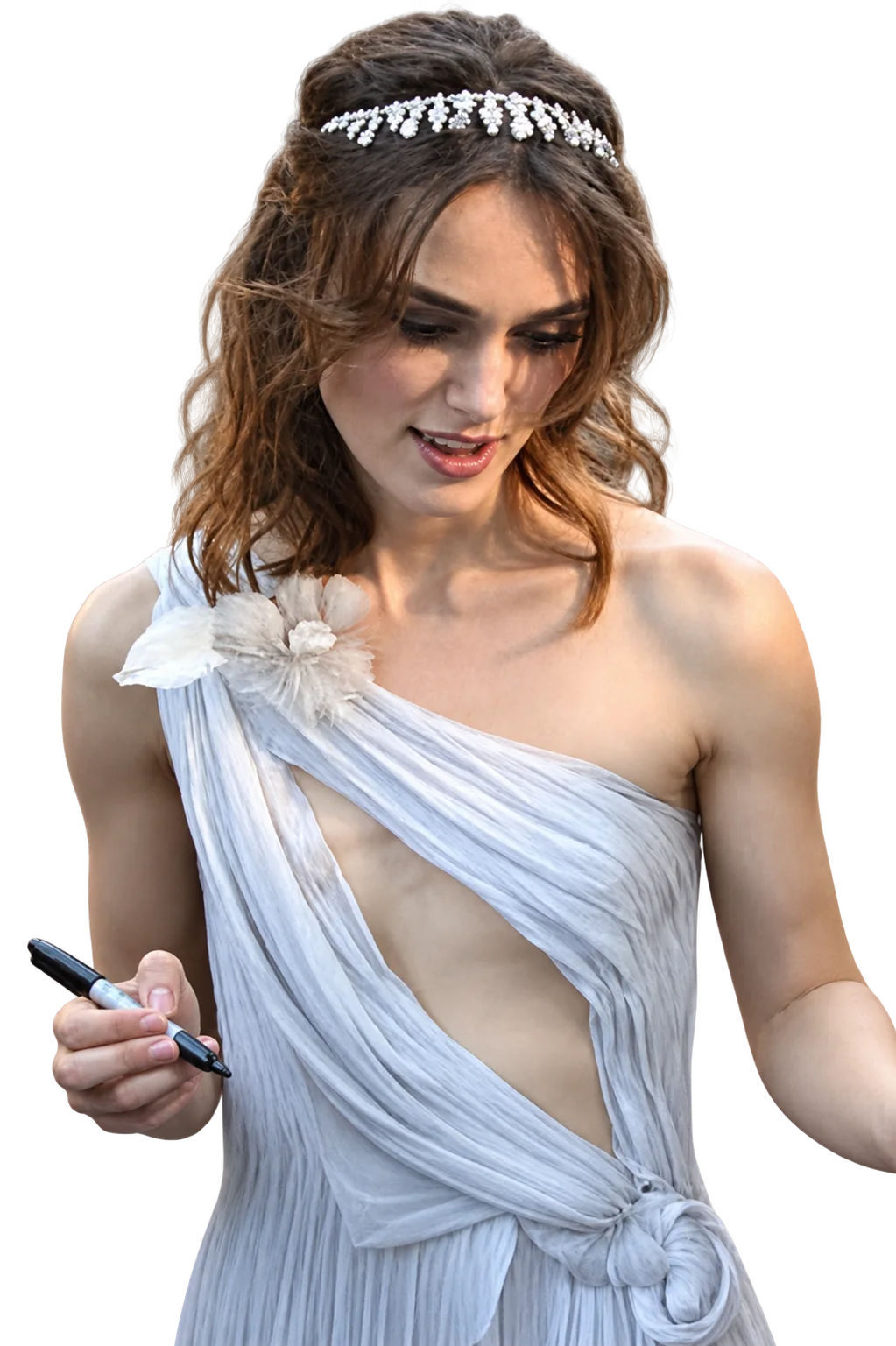
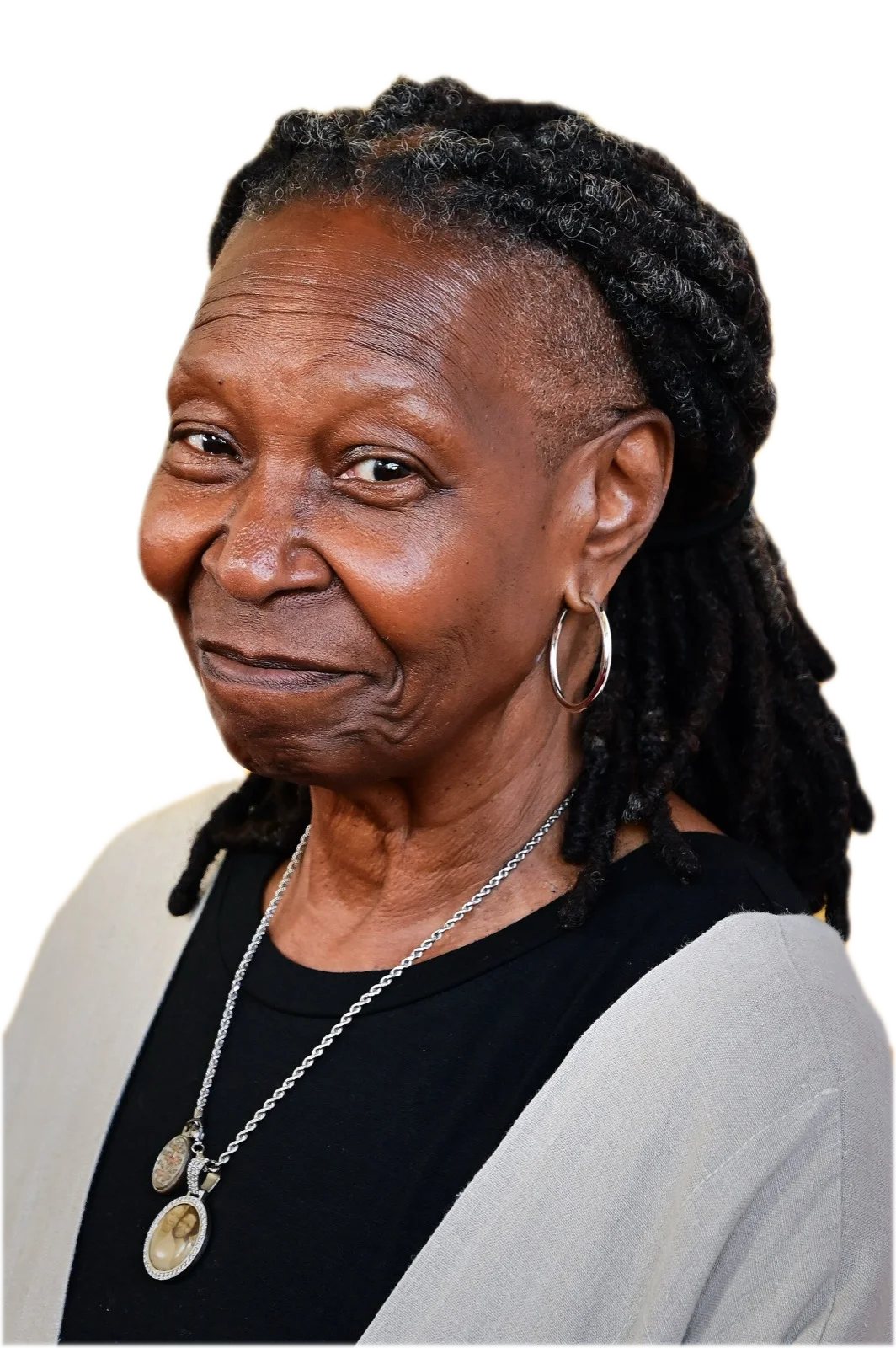

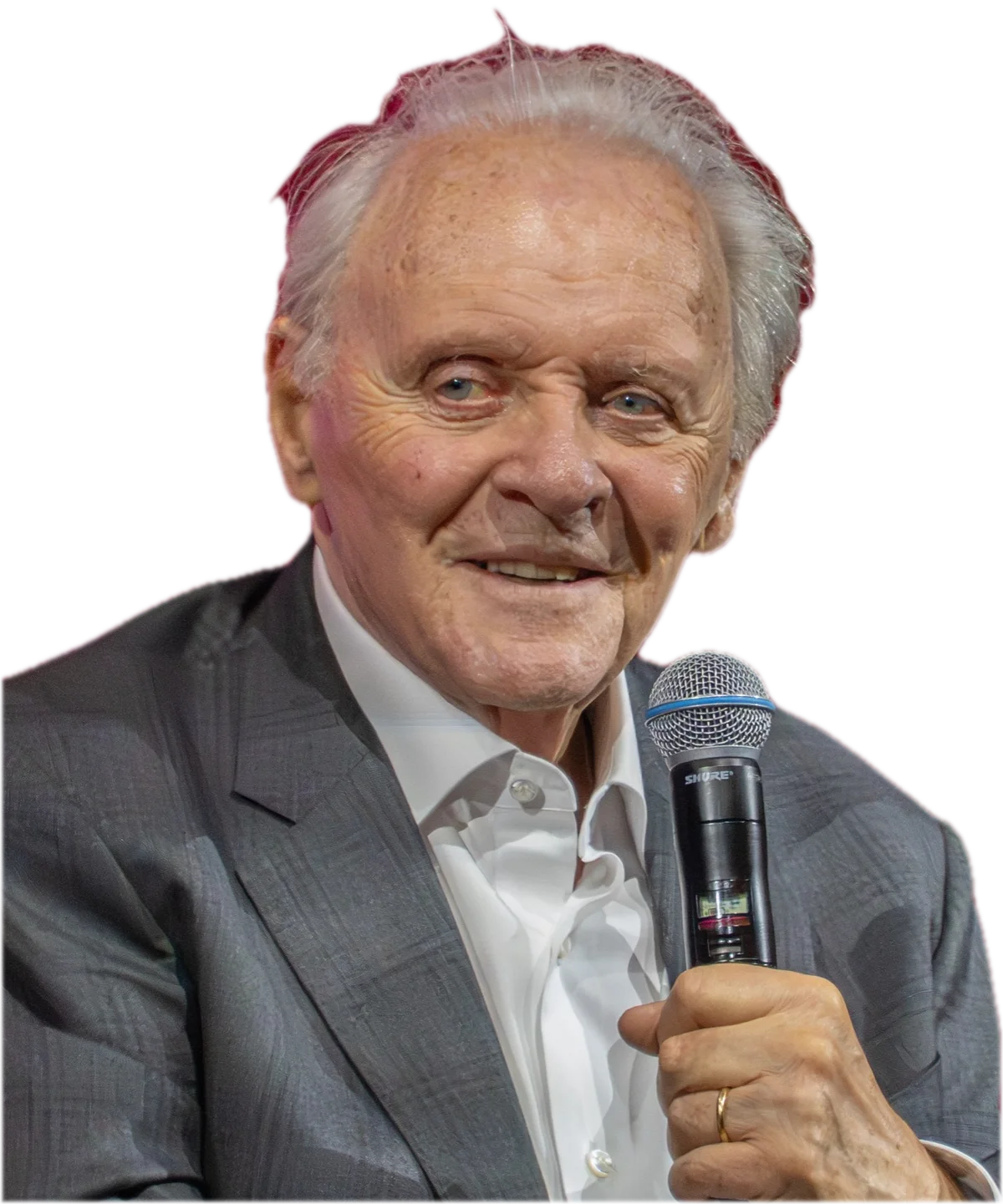
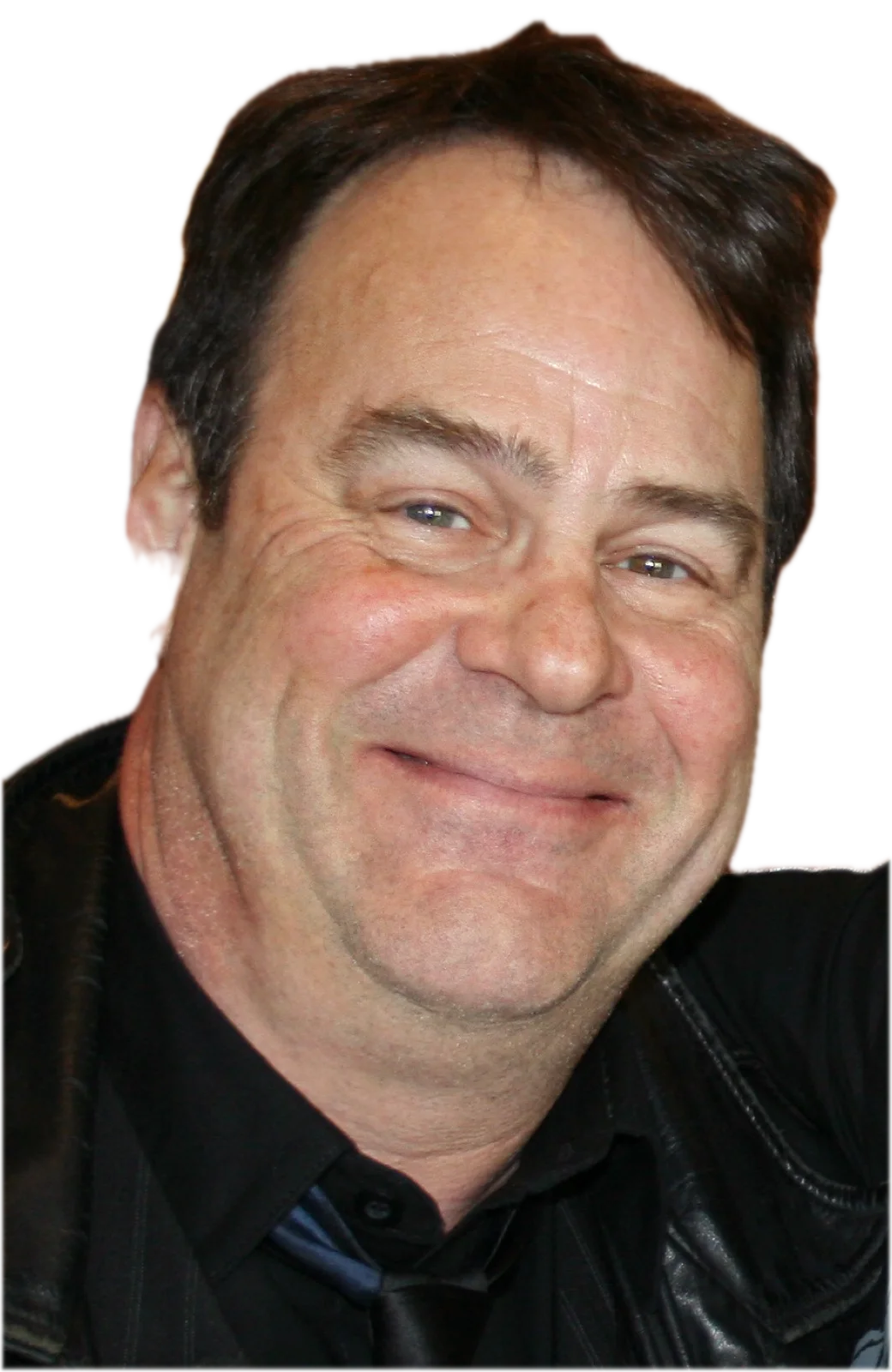
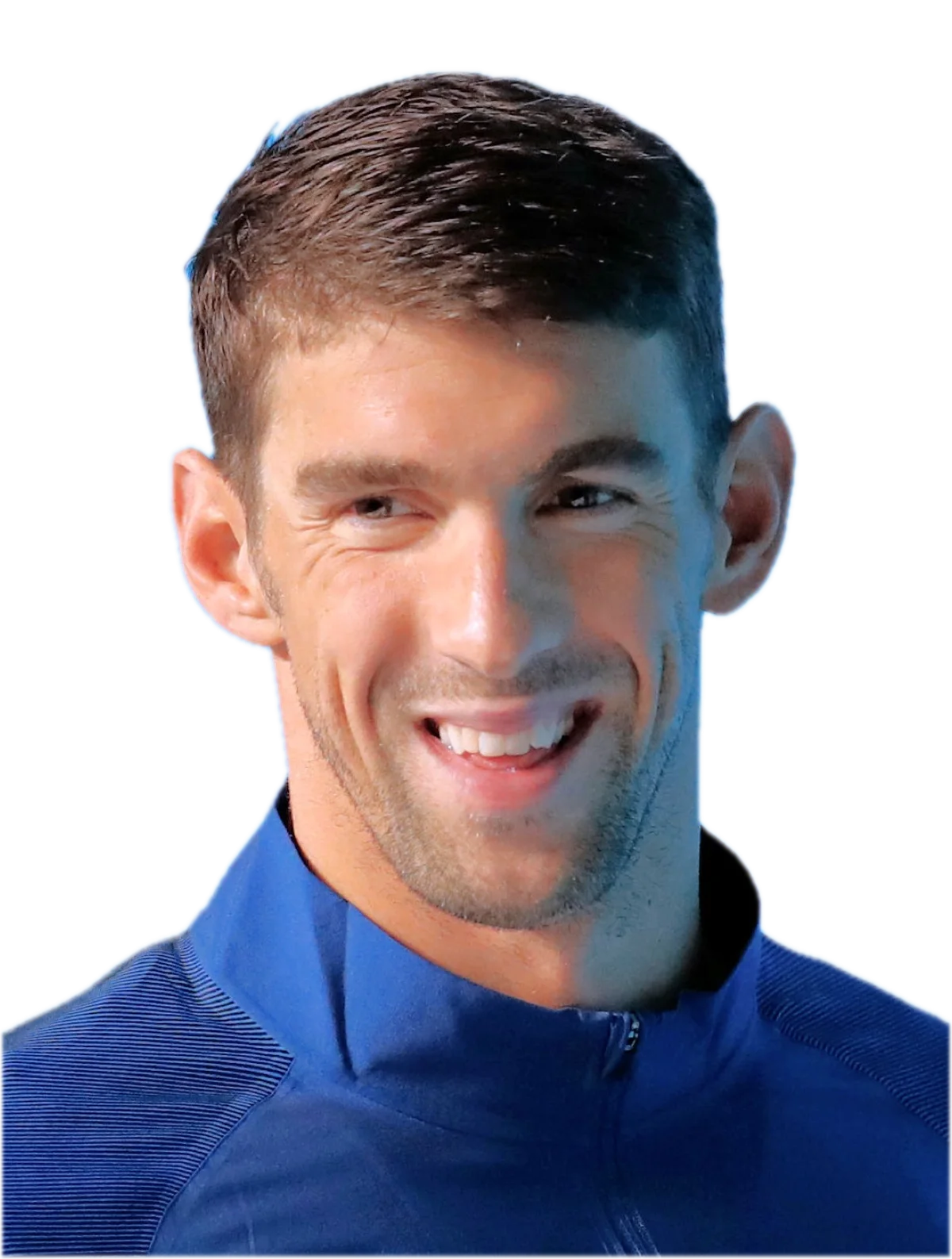
Portrait credits
- Temple Grandin: Jonathunder · GFDL 1.2 · License text. Background removed; image cropped. Portrait adaptation shared under the same license.
- Richard Branson: U.S. Department of State from United States · Public domain. Background removed; image cropped. Portrait adaptation shared under the same license.
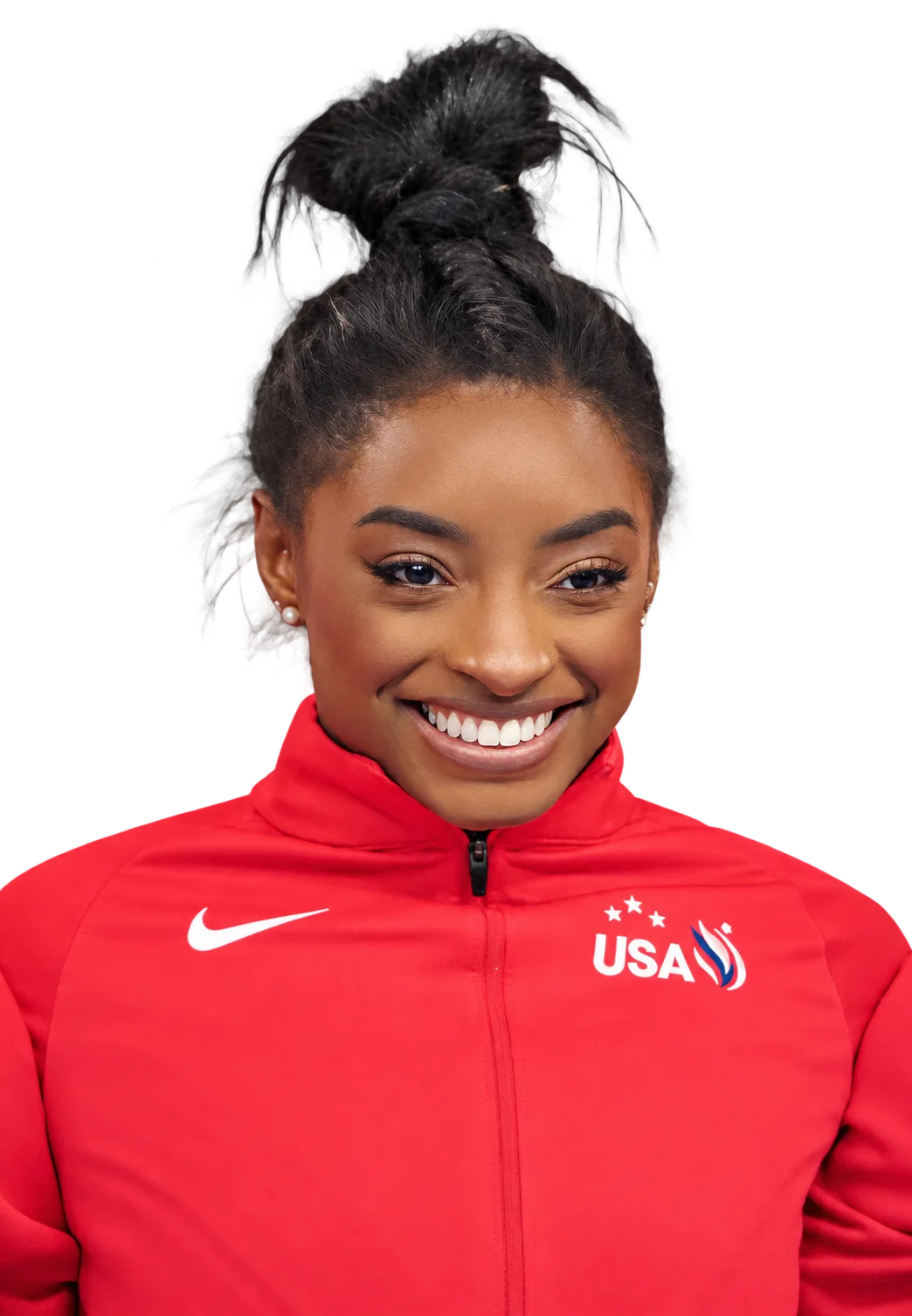
- Simone Biles: Ocoudis · CC BY-SA 4.0. Background removed; image cropped. Portrait adaptation shared under the same license.
- Donna Williams: Chris Samuel · CC BY 2.0. Background removed; image cropped. Portrait adaptation shared under the same license.
- Ingvar Kamprad: Ministry of Enterprise, Energy and Communications of Sweden/Sandra Baqirjazid · CC BY 2.0. Background removed; image cropped. Portrait adaptation shared under the same license.
- Donald Triplett: Ylevental · CC BY-SA 4.0. Background removed; image cropped. Portrait adaptation shared under the same license.
- Chuck Close: Sotolux · CC BY 3.0. Background removed; image cropped. Portrait adaptation shared under the same license.
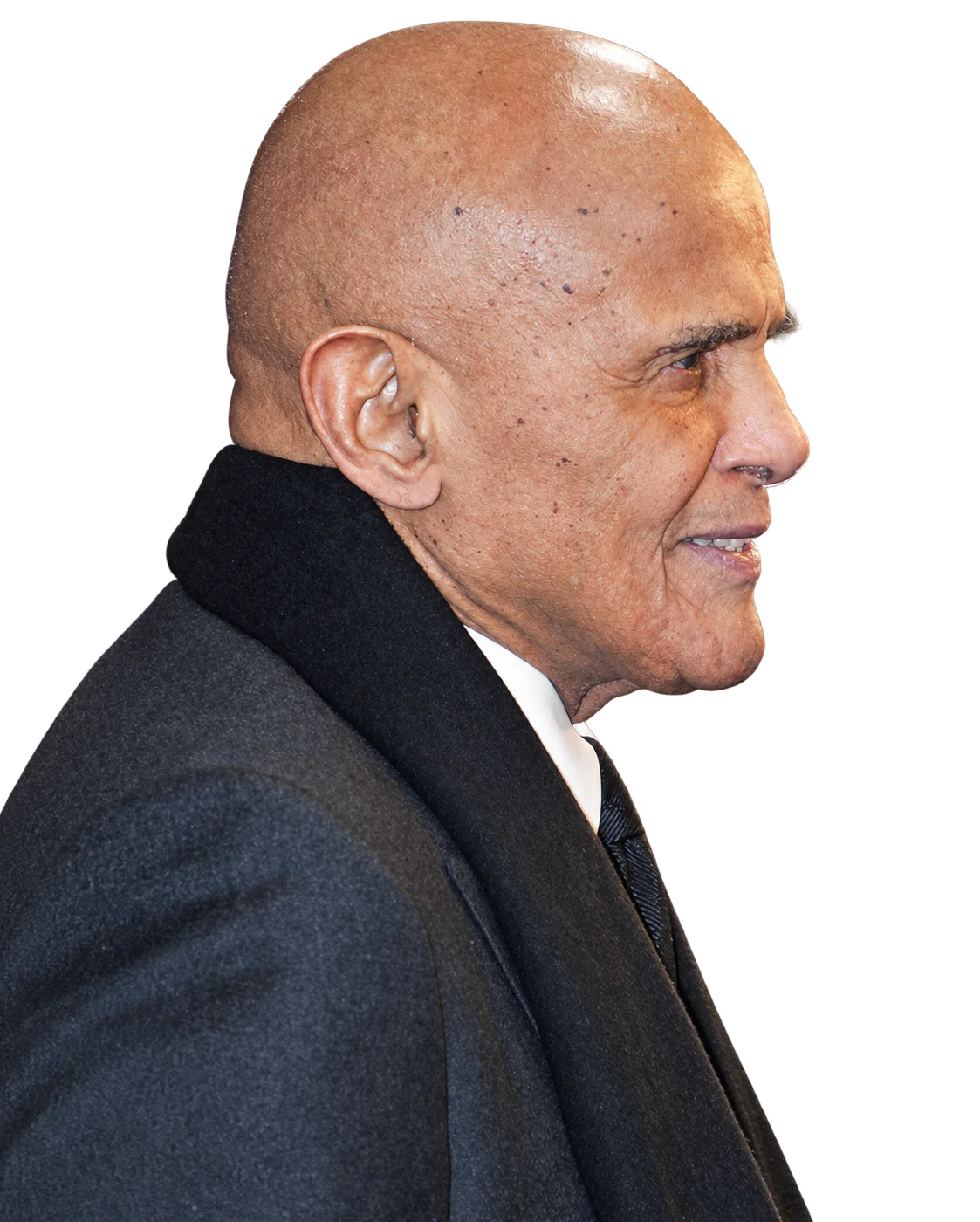
- Harry Belafonte: Siebbi · CC BY 3.0. Background removed; image cropped. Portrait adaptation shared under the same license.
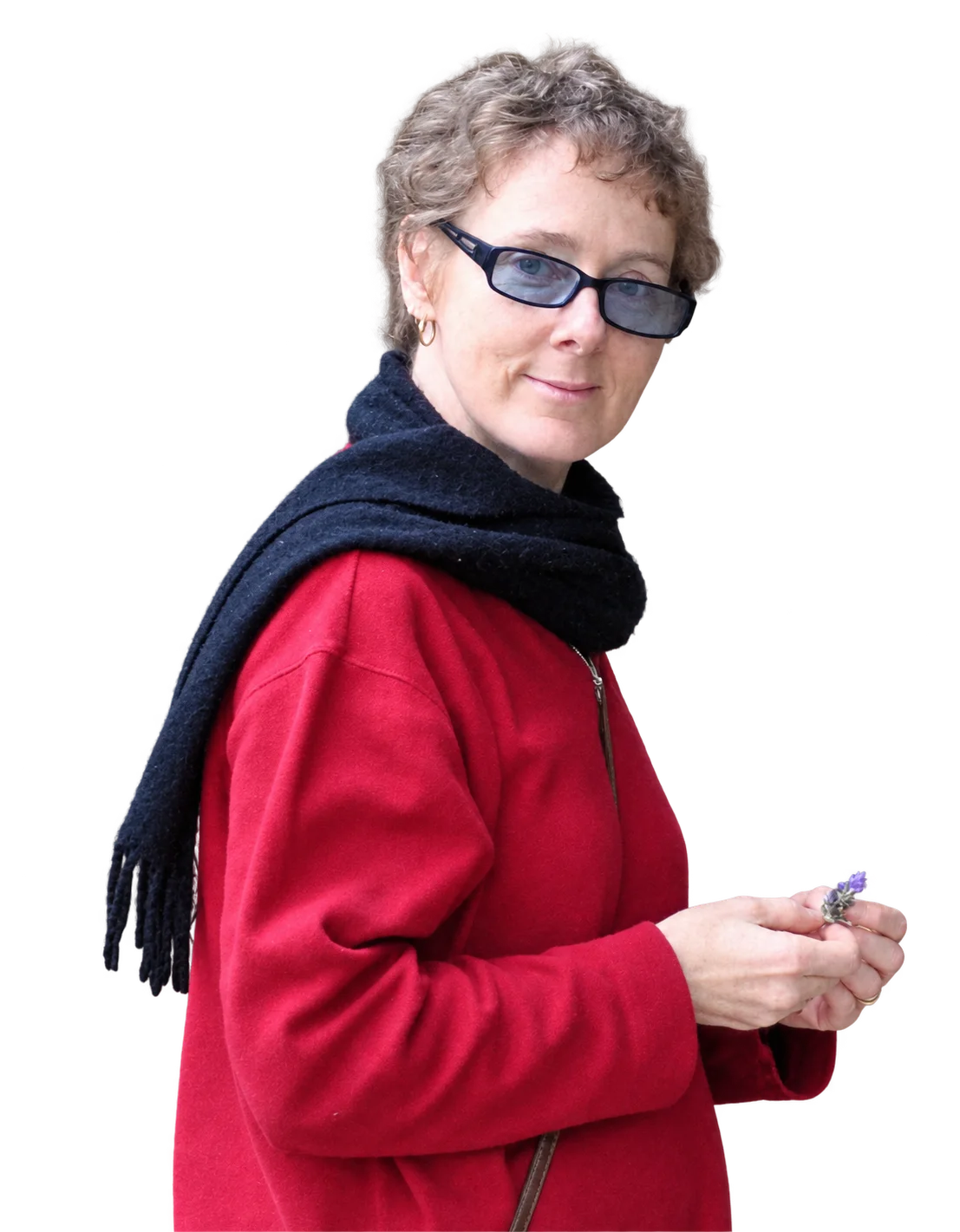
- Judy Singer: AXSChat · CC BY 3.0. Background removed; image cropped. Portrait adaptation shared under the same license.
- Paris Hilton: Kevin Paul · CC BY 4.0. Background removed; image cropped. Portrait adaptation shared under the same license.
- Steven Spielberg: Martin Kraft · CC BY-SA 4.0. Background removed; image cropped. Portrait adaptation shared under the same license.
- Henry Winkler: Super Festivals from Ft. Lauderdale, USA · CC BY 2.0. Background removed; image cropped. Portrait adaptation shared under the same license.
- Billie Eilish: Bruno Luglio - Creative Director at Spotify · CC BY 3.0. Background removed; image cropped. Portrait adaptation shared under the same license.
- Keira Knightley: DavidDjJohnson at English Wikipedia · CC BY 3.0. Background removed; image cropped. Portrait adaptation shared under the same license.
- Daryl Hannah: Dana Fineman Photography · CC BY-SA 4.0. Background removed; image cropped. Portrait adaptation shared under the same license.
- Muhammad Ali: United Press International · Public domain. Background removed; image cropped. Portrait adaptation shared under the same license.
- Carol Greider: Christopher Michel · CC BY-SA 4.0. Background removed; image cropped. Portrait adaptation shared under the same license.
- Jacques Dubochet: Rama · CC BY-SA 3.0 fr. Background removed; image cropped. Portrait adaptation shared under the same license.
- Albert Einstein: DonkeyHotey · CC BY 2.0. Background removed; image cropped. Portrait adaptation shared under the same license.
- Isaac Newton: Godfrey Kneller · Public domain. Background removed; image cropped. Portrait adaptation shared under the same license.
- Thomas Jefferson: Rembrandt Peale · Public domain. Background removed; image cropped. Portrait adaptation shared under the same license.
- Alan Turing: Possibly Arthur Reginald Chaffin (1893-1954) · Public domain. Background removed; image cropped. Portrait adaptation shared under the same license.
- Andy Warhol: Bernard Gotfryd · Public domain. Background removed; image cropped. Portrait adaptation shared under the same license.
- Michelangelo: Attributed to Daniele da Volterra · Public domain. Background removed; image cropped. Portrait adaptation shared under the same license.
- Philip II of Spain: Sofonisba Anguissola · Public domain. Background removed; image cropped. Portrait adaptation shared under the same license.
- Jonathan Swift: Charles Jervas · Public domain. Background removed; image cropped. Portrait adaptation shared under the same license.
- John Howard: Mather Brown · Public domain. Background removed; image cropped. Portrait adaptation shared under the same license.
- Vincent van Gogh: Vincent van Gogh · Public domain. Background removed; image cropped. Portrait adaptation shared under the same license.
- Erik Satie: Henri Manuel · Public domain. Background removed; image cropped. Portrait adaptation shared under the same license.
- Bertrand Russell: Bassano Ltd · Public domain. Background removed; image cropped. Portrait adaptation shared under the same license.
- Béla Bartók: Unknown authorUnknown author · Public domain. Background removed; image cropped. Portrait adaptation shared under the same license.
- Srinivasa Ramanujan: Unknown authorUnknown author · CC BY 4.0. Background removed; image cropped. Portrait adaptation shared under the same license.
- Ludwig Wittgenstein: Moritz Nähr · Public domain. Background removed; image cropped. Portrait adaptation shared under the same license.
- Alfred Kinsey: Unknown (Mondadori Publishers) · Public domain. Background removed; image cropped. Portrait adaptation shared under the same license.
- Simone Weil: Unknown · Public domain. Background removed; image cropped. Portrait adaptation shared under the same license.
- Patricia Highsmith: AnonymousUnknown author / Harper & Brothers · Public domain. Background removed; image cropped. Portrait adaptation shared under the same license.
- Glenn Gould: Richard Avedon · Public domain. Background removed; image cropped. Portrait adaptation shared under the same license.
- Whoopi Goldberg: PhilipRomano · CC BY-SA 4.0. Background removed; image cropped. Portrait adaptation shared under the same license.
- Cher: Raph_PH · CC BY-SA 4.0. Background removed; image cropped. Portrait adaptation shared under the same license.
- Anthony Hopkins: Omar David Sandoval Sida · CC BY-SA 4.0. Background removed; image cropped. Portrait adaptation shared under the same license.
- Dan Aykroyd: Rnunezart · CC BY-SA 4.0. Background removed; image cropped. Portrait adaptation shared under the same license.
- Michael Phelps: Agência Brasil Fotografias · CC BY 2.0. Background removed; image cropped. Portrait adaptation shared under the same license.
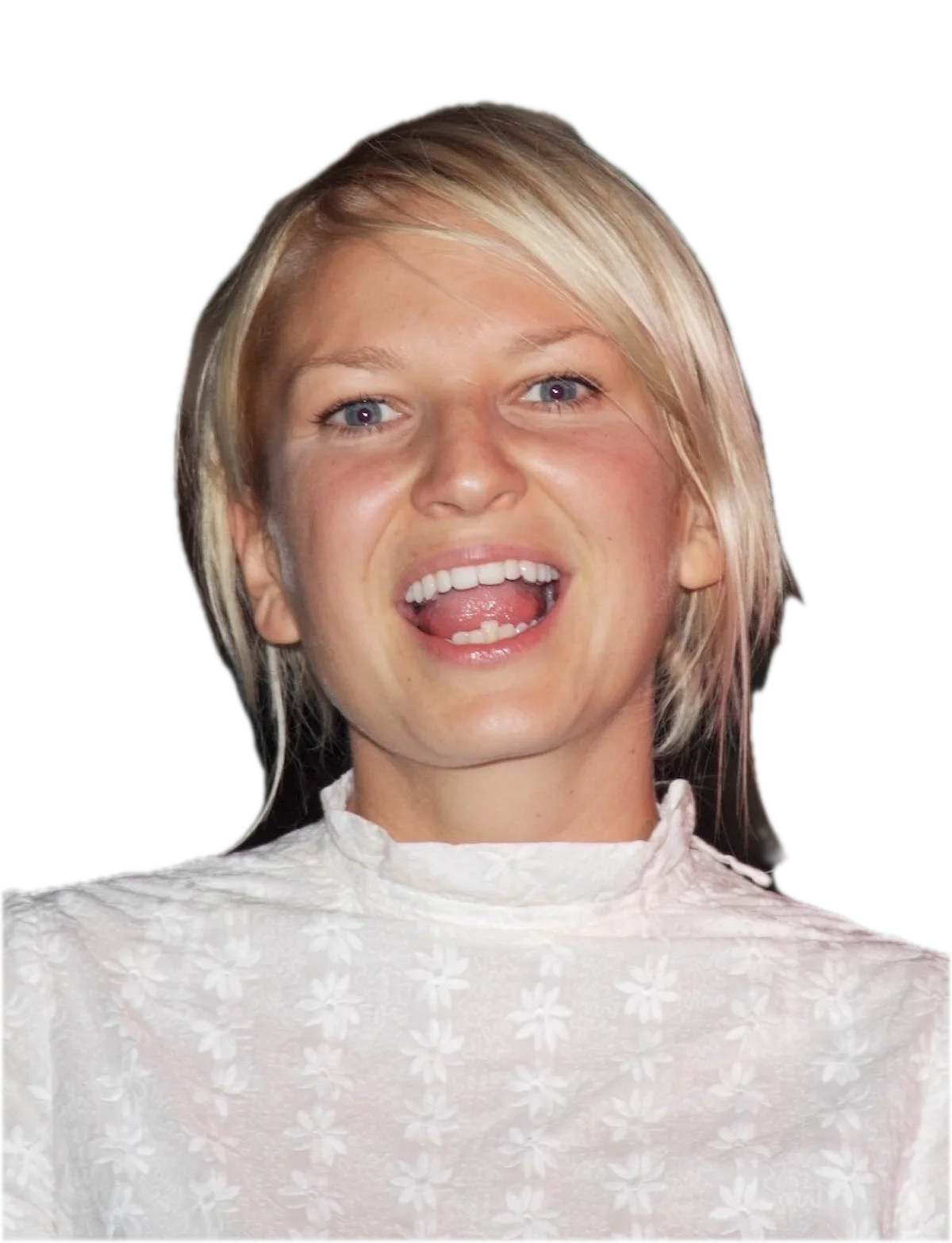
- Sia: Sia performing at The Parish (a music venue) during SxSW in Austin, 2006 · CC BY-SA 2.0. Background removed; image cropped. Portrait adaptation shared under the same license.
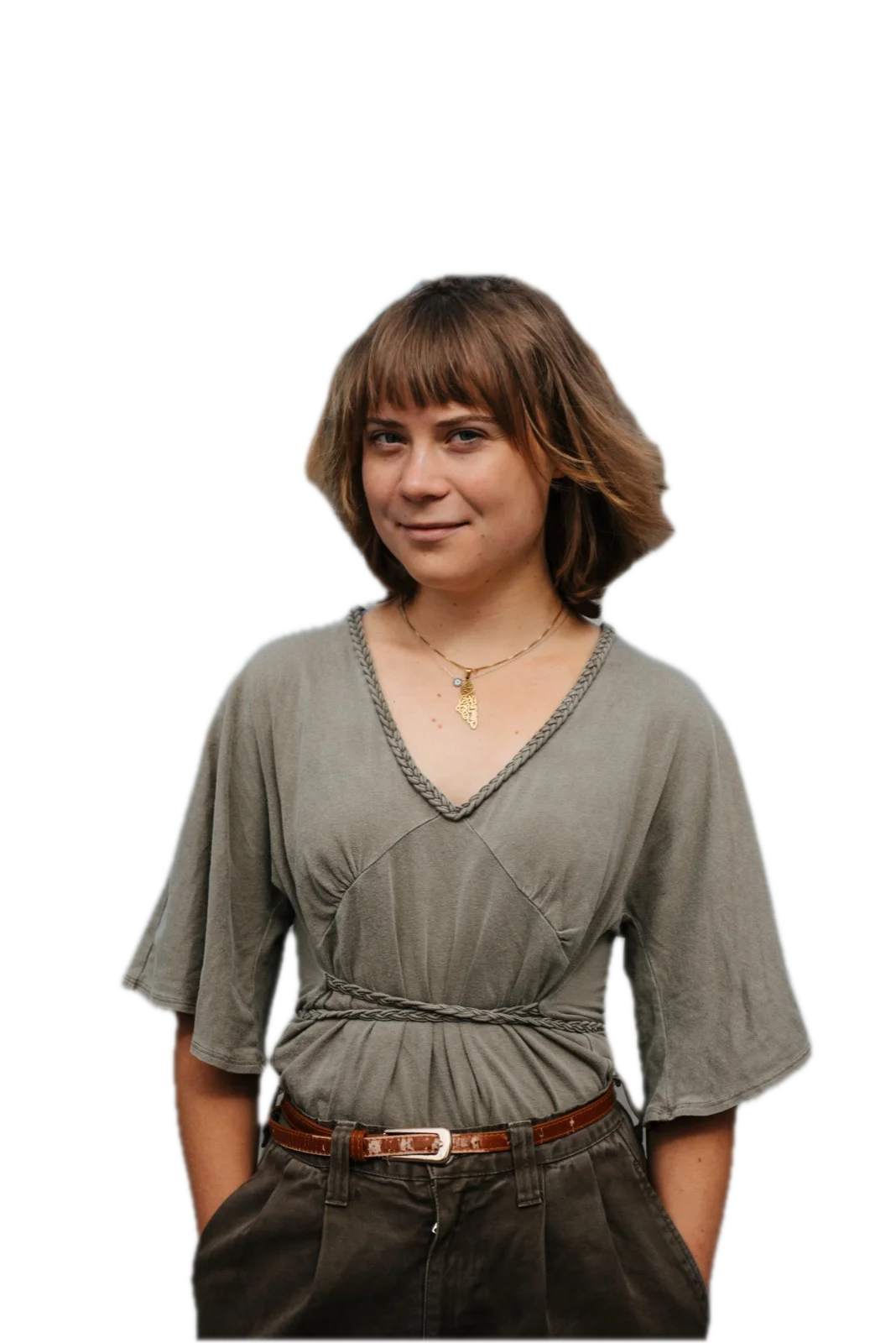
- Greta Thunberg: Kushal Das · CC BY-SA 4.0. Background removed; image cropped. Portrait adaptation shared under the same license.
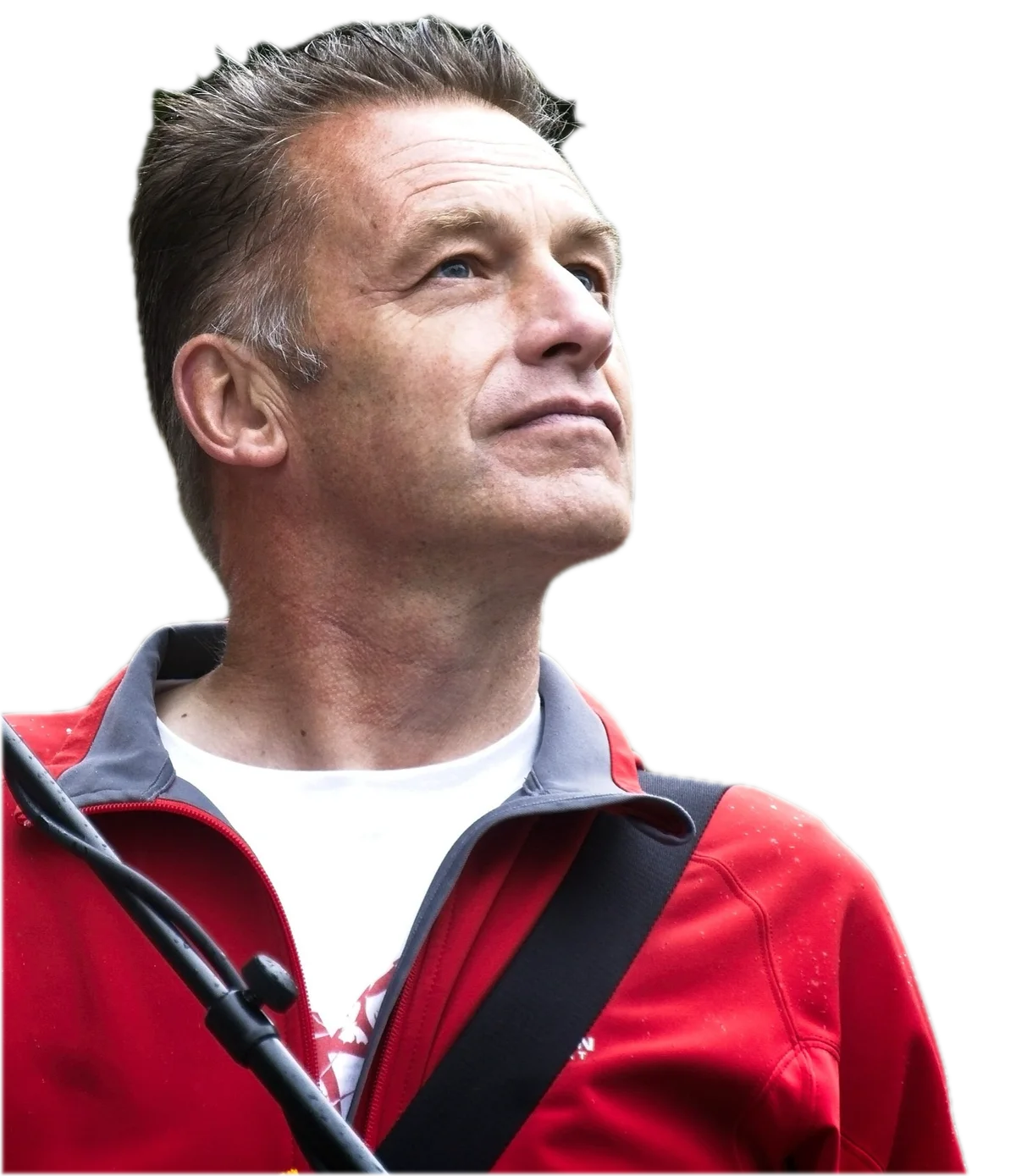
- Chris Packham: Garry Knight from London, England · CC BY 2.0. Background removed; image cropped. Portrait adaptation shared under the same license.
Asking for what helps
For yourself
Describe one difficulty and one change that would help. A diagnosis can guide support; your experience should guide the details.
For someone else
Ask what takes effort, what works and what they want help with. Listen without assuming that a label explains everything.
For a school or workplace
Make information clear, offer different ways to communicate and review support with the person using it.
What can add to the load?
Tap an everyday demand. Then try a little support.
Every day has a different mix. Choose something to explore.
This is an illustration. It does not measure stress. Support does not erase a difficulty or set a recovery time. Different things help different people.

Recovery has no fixed timetable.
Feeling calmer, a slower heart rate and being ready to work are different things. Research does not give each type of mind a set number of minutes to recover.
A stressful moment is different from burnout. Rest, changes to daily demands and professional care may all matter. Ask what is still difficult and what support would help now.